
Puppy Training in Portland, Oregon
Puppies are full of energy and curiosity, but behaviors like potty accidents, chewing, jumping, nipping, barking, and difficulty settling can make those early months challenging. As premier Portland dog trainers, we use positive, consistent training to teach puppies good manners, build confidence, and develop the skills they need to become happy, well-behaved companions.
Puppy Behaviors Owners Might Be Looking To Correct
Our Puppy Training
Can Help:
Why Is Sit Down & Beyond the Best Choice for Portland Puppy Training?
-
Puppy Training That Goes Beyond Basic Obedience
At Sit Down & Beyond, we believe there's a big difference between a puppy who knows how to follow commands and one who knows how to comfortably navigate everyday life.
Teaching your puppy to lie down on command doesn't necessarily mean they know how to relax. That's why our approach to puppy training focuses on more than what a behavior looks like. We want to teach your puppy the skills they actually need to become a cooperative, easy-to-live-with companion.
From potty training and puppy biting to leash manners, impulse control, and recall, we focus on teaching practical behaviors while helping puppies develop the ability to settle, make good choices, and understand what's expected of them.
Because the goal isn't just an obedient puppy. It's a dog who knows how to live comfortably alongside you.
-
Puppy Training That Teaches Owners, Too
A big part of raising a well-adjusted puppy is understanding how your dog experiences the world, especially during their first year of life.
At Sit Down & Beyond, we don't just teach your puppy what to do. We teach you how to recognize what they're communicating, understand their developmental needs, and create experiences that support their long-term success.
Throughout your puppy training sessions, you'll learn:
How to read your puppy's body language and recognize when they're uncomfortable, overwhelmed, or unsure.
How to navigate developmental stages and fear periods that may influence how your puppy responds to unfamiliar experiences.
How to advocate for your puppy when other people or dogs aren't respecting their boundaries.
How to recognize situations your puppy isn't ready for and when it's appropriate to remove them.
How to establish reasonable expectations around sleep, play, potty training, relaxation, and independence.
How to continue training at home so your puppy develops consistent habits and understands what's expected of them.
As Shuli emphasizes, your job during your puppy's first year is to carefully manage the experiences they have.
We want your puppy to build a strong foundation of positive experiences so that when something uncomfortable or unexpected happens, they have plenty of good experiences to draw from.
-
Real-World Puppy Training That Prepares Dogs for Life in Portland
Most Portland dog owners don't just want a puppy who can sit and stay in their living room. They want a dog they can take hiking, bring to the park, enjoy walks with, and comfortably include in their everyday activities.
That's why our puppy training focuses on preparing dogs for those experiences from the very beginning.
Rather than rushing into advanced obedience or exposing puppies to situations they aren't ready to handle, we gradually introduce the skills and experiences they'll need as they grow.
Depending on your puppy's age and progress, training may include:
Learning how to interact appropriately with other dogs and puppies.
Practicing leash walking and recall in different environments.
Exploring unfamiliar places while building positive associations.
Learning how to settle and relax in public settings.
Developing the foundational skills needed for future off-leash adventures.
Building confidence through age-appropriate challenges and experiences.
We also teach owners how to recognize when an experience is beneficial and when it might be too much for their puppy.
The goal is to raise a dog who can comfortably participate in your life, whether that's relaxing at home, walking through your neighborhood, or eventually joining you on an off-leash hike.
How Much Does Puppy Training Cost in Portland?
Investing in your puppy’s training is about building the foundation for a confident, well-mannered dog and giving you the freedom to enjoy life together. With the right guidance from the start, your puppy can learn how to navigate new environments, respond to distractions, interact appropriately, and develop the skills they’ll carry into adulthood. Good training today means more confidence, fewer frustrations, and a stronger relationship for years to come.
1. The Foundation: Initial Evaluation
- Required for all new clients.
2. Private Training
Packages
- Jumping up
- Pulling on leash
- Excessive barking
- Difficulty settling
- Overexcitement
- Potty-training accidents
- And more
- Reactivity
- Resource guarding
- Separation-related behaviors
- Overarousal
- Aggressive responses
- Difficulty disengaging
- Destructive behavior
- And more
Hear from Some of Our Previous Clients
What GOOD Puppy Training Looks Like
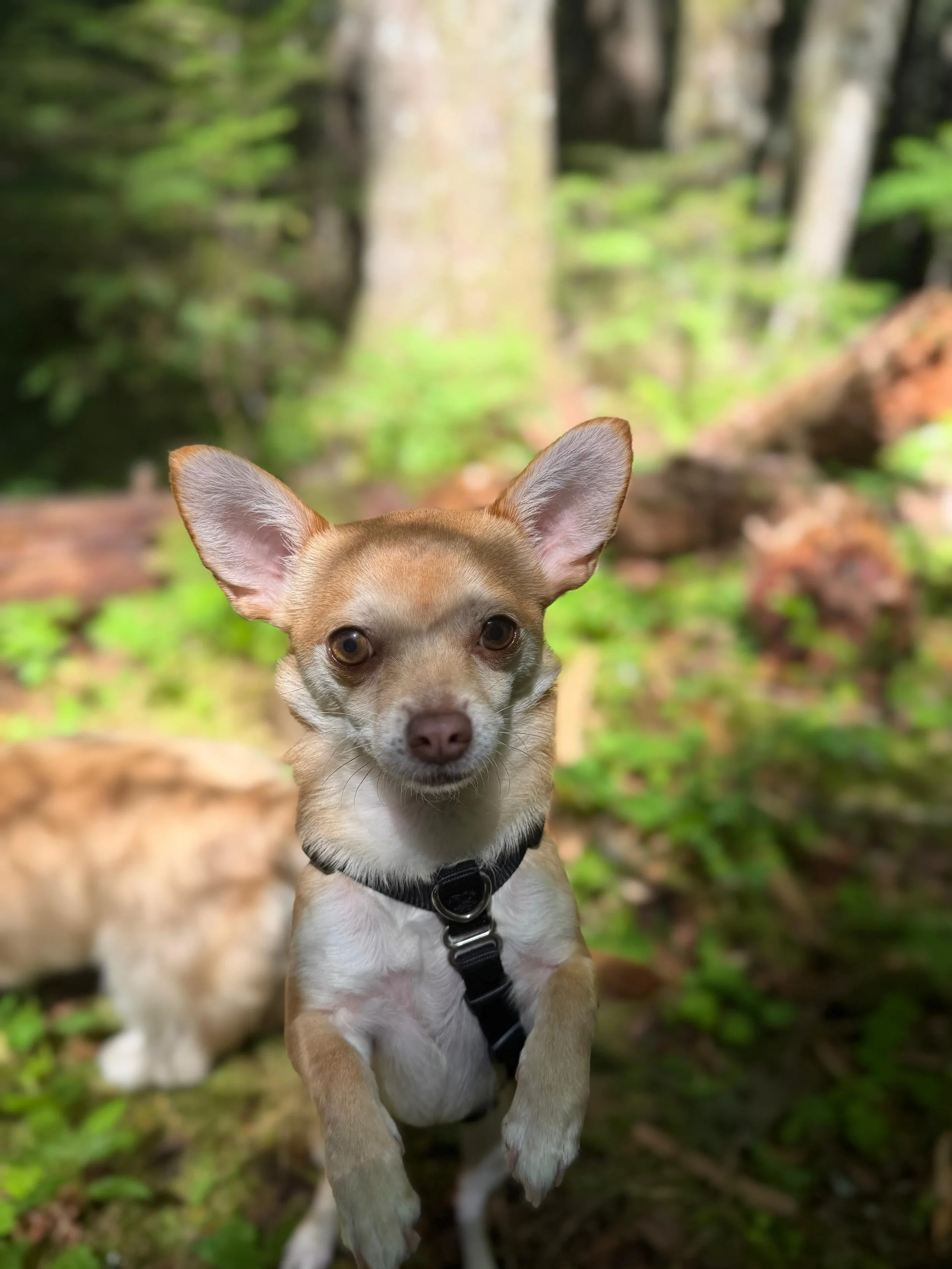
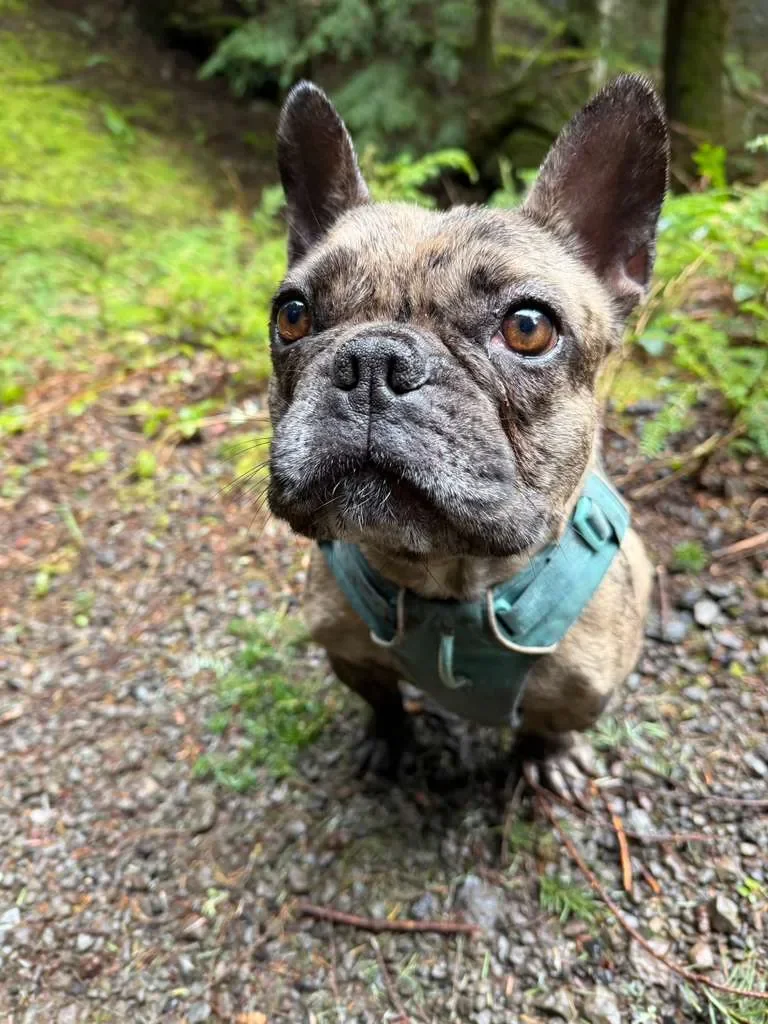
Our Approach to Puppy Training in Portland
-
One of the first things we focus on with young puppies is teaching them what to expect from everyday life.
Puppies benefit from predictable routines that help them understand when it's time to play, sleep, explore, and settle down. Rather than constantly keeping your puppy entertained or teaching them to respond to commands, we want them to learn that being calm and doing nothing is a perfectly normal part of life.
Our puppy training helps establish:
Consistent sleep schedules – Helping puppies develop healthy rest routines.
Potty training routines – Creating predictable opportunities for bathroom breaks.
Relaxation skills – Teaching puppies how to settle when their owners are relaxing.
Appropriate playtime – Establishing expectations for when and how play happens.
Daily structure – Helping puppies understand what to expect throughout the day.
As Shuli explains, we want a puppy's default state to be calm. Learning how to relax is just as important as learning how to respond to a command.
-
Puppy training isn't just about obedience. It's about teaching your puppy how to comfortably participate in everyday life.
From the beginning, we introduce foundational skills that encourage independence, cooperation, and appropriate behavior in the home.
Depending on your puppy's age and developmental stage, training may include:
Crate training – Helping puppies become comfortable spending time in their own space.
Independent downtime – Teaching puppies how to relax without constant attention.
Foundational cues – Introducing skills such as "leave it," eye contact, and recall foundations.
Cooperative handling – Helping puppies become comfortable with nail trims, baths, and grooming.
Everyday manners – Teaching puppies how to interact appropriately with people and their environment.
Rather than rushing into advanced obedience, we focus on establishing the behaviors and expectations that make everyday life easier for both you and your puppy.
-
Socialization is one of the most important parts of early puppy training, but it isn't simply about introducing your puppy to as many people, dogs, and places as possible.
It's about carefully creating experiences that help your puppy develop positive associations with the world around them.
Our puppy training programs introduce puppies to new environments, people, animals, sounds, and everyday situations in ways that are appropriate for their age, temperament, and comfort level.
We focus on:
Introducing puppies to unfamiliar people and environments.
Teaching appropriate interactions with other dogs and puppies.
Helping puppies become comfortable with grooming and handling.
Creating positive experiences in public settings.
Recognizing when a puppy is becoming uncomfortable or overwhelmed.
Teaching owners when to intervene or give their puppy more space.
A puppy who hides behind your leg during an interaction may be telling you they're uncomfortable. Rather than forcing them to continue, we teach you how to recognize those signals and respond appropriately.
The goal isn't to expose your puppy to everything. It's to help them develop a foundation of positive experiences they can build upon as they grow.
-
Puppies go through several developmental stages that influence how they experience and respond to the world.
During certain periods, puppies may become more sensitive to unfamiliar people, environments, sounds, or situations. Experiences during these stages can influence how they respond to similar situations later in life.
That's why we believe educating owners about puppy development is just as important as training the puppy itself.
We help you understand:
How your puppy's needs change throughout different developmental stages.
How to recognize signs of fear, uncertainty, and stress.
Why some experiences may be overwhelming for young puppies.
How to introduce unfamiliar situations without forcing interactions.
When to give your puppy space or remove them from a situation.
How to advocate for your puppy during interactions with other people and dogs.
As Shuli emphasizes, your responsibility during your puppy's first year is to carefully manage their experiences.
We want your puppy to have plenty of positive experiences to draw from when something unexpected or uncomfortable happens.
By helping you understand your puppy's developmental needs, we can create a stronger foundation for confidence and emotional resilience.
-
Once your puppy has established a foundation of relaxation, independence, and appropriate social experiences, we can begin introducing more structured obedience and practical life skills.
Our puppy training focuses on behaviors that help your dog become a cooperative companion in everyday situations.
These may include:
Leash walking – Learning to walk comfortably alongside you.
Recall – Building a reliable response when called.
Sit, down, and stay – Introducing foundational obedience cues.
Leave it and drop it – Teaching puppies how to disengage from objects or activities.
Attention and engagement – Helping puppies respond to their owners in different environments.
Appropriate play – Teaching puppies how to interact with other dogs and people.
Off-leash foundations – Introducing skills that can eventually support greater freedom outdoors.
As your puppy progresses, we gradually introduce more challenging environments and real-world situations.
Whether your goal is to enjoy relaxed walks through Portland, take your dog hiking, or eventually explore off-leash adventures together, we focus on building the practical skills that make those experiences possible.
Because a well-trained puppy isn't just one who knows commands. It's one who understands how to relax, cooperate, and navigate everyday life with confidence.
Puppy Training FAQs
-
You should start training your puppy as soon as they come home. Early training isn’t about expecting perfect obedience. We work on building communication, confidence, and good habits from the start. Our puppy training programs focus on age-appropriate skills, socialization, and positive experiences that help set your puppy up for success as they grow.
-
No. Socialization is about helping your puppy learn how to confidently navigate the world. Puppies benefit from appropriate exposure to people, environments, sounds, surfaces, handling, and everyday experiences while learning how to stay engaged and comfortable around distractions.
-
Yes! Early training can help establish communication, appropriate habits, and confidence before unwanted behaviors become more established. Our approach is individualized to each puppy’s temperament, experiences, and needs, with an emphasis on positive reinforcement and humane, science-based training.
-
Yes. A major part of our approach is teaching owners how to understand their puppy and apply training in everyday life. We explain why it works and how to transfer those skills into your home, outings, walks, and daily routines.
-
Puppy training goes beyond “sit” and “stay.” We help puppies develop foundational skills such as:
Name recognition
Recall
Leash skills
Impulse control
Appropriate greetings
Settling
Handling
And more