
Training for Reactive Dogs in Portland, Oregon
At Sit Down & Beyond, we offer premium dog boarding in Portland, Oregon, for dogs who need more than a traditional kennel stay. Our trainer-supported boarding prioritizes comfort, routine, emotional well-being, and safety, creating a calm, secure experience while you’re away.
What Does
Reactivity in Dogs
Look Like?
Our Reactive
Dog Training
Can Help:
Why Is Sit Down & Beyond the Best Choice for
Reactive Dog Training in Portland?
-
Training Centered on Positive Reinforcement
At Sit Down & Beyond, reactive dog training is centered on science-backed, positive reinforcement methods. Rather than using punishment or discipline-based techniques, training focuses on rewarding calm, confident behaviors and gradually changing your dog’s emotional response to triggers. Our approach to reactive dog training not only improves behavior but also strengthens the trust between you and your dog.
-
Educated Training Sessions & Customized At-Home Training Instructions
Your pooch is unique and unlike any other dog, so why would their training be copy-and-paste? At Sit Down & Beyond, we carefully design training plans to address your dog’s unique needs. You’ll learn why your dog reacts the way they do, how to read body language, and how to respond effectively in real-world situations. We provide clear, step-by-step at-home training instructions tailored to your dog’s specific triggers, ensuring progress continues between sessions.
-
Real-World Reactive Dog Training in Portland
Reactive behavior rarely happens in a quiet training room — so that’s not where we focus our work. Reactivity shows up on neighborhood walks, at parks, and around everyday distractions, and that’s where meaningful training needs to happen. Our programs include practical, real-world exposure in controlled settings throughout Portland. By safely and strategically working through triggers in realistic environments, your dog builds lasting confidence and more reliable behavior where it truly matters.
How Much Does Training for Reactive Dogs Cost in Portland?
1. The Foundation:
Initial Evaluation
2. Private Training
Packages
Hear from Some of Our Previous Clients
What Good Reactive Training Looks Like
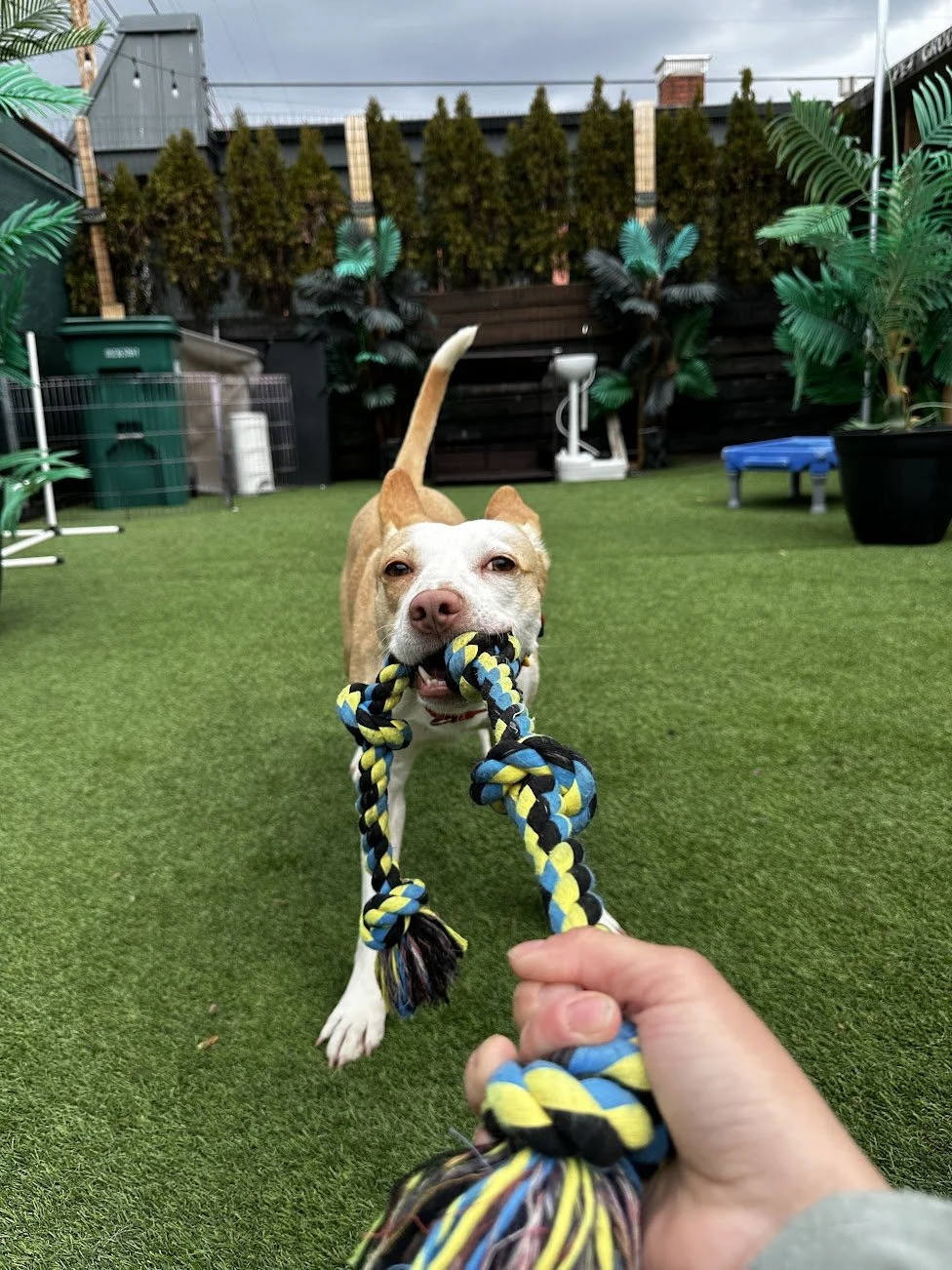
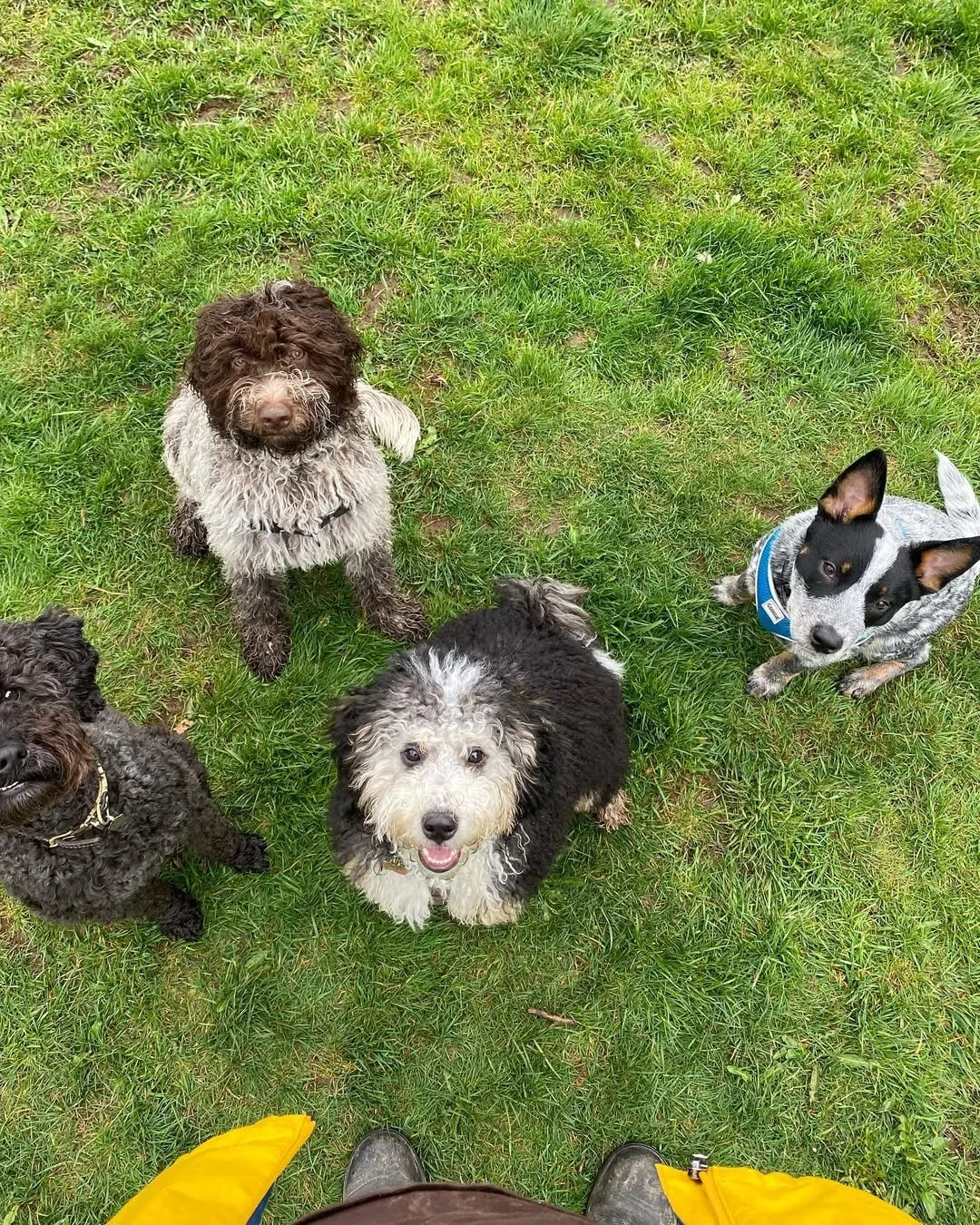
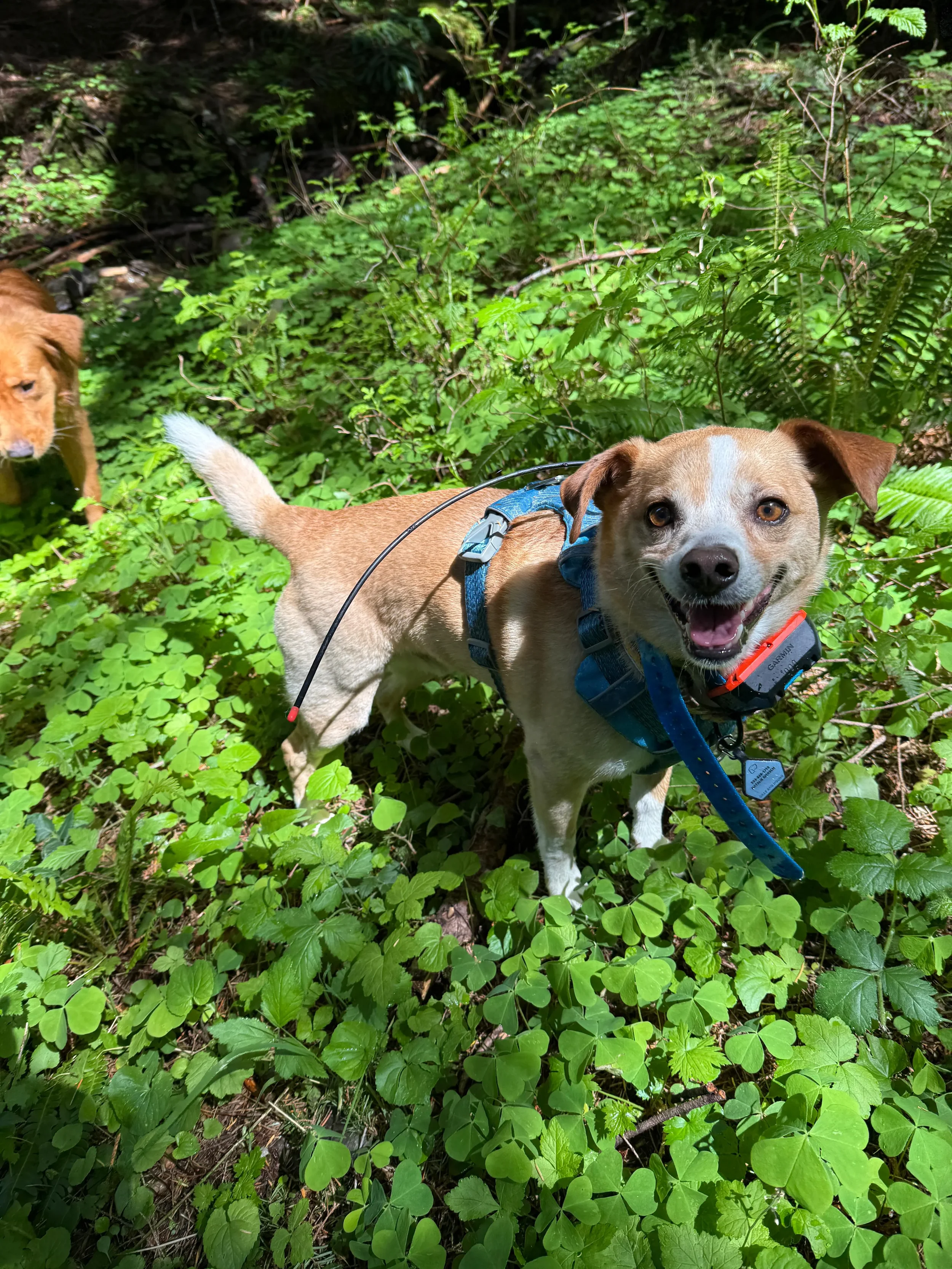
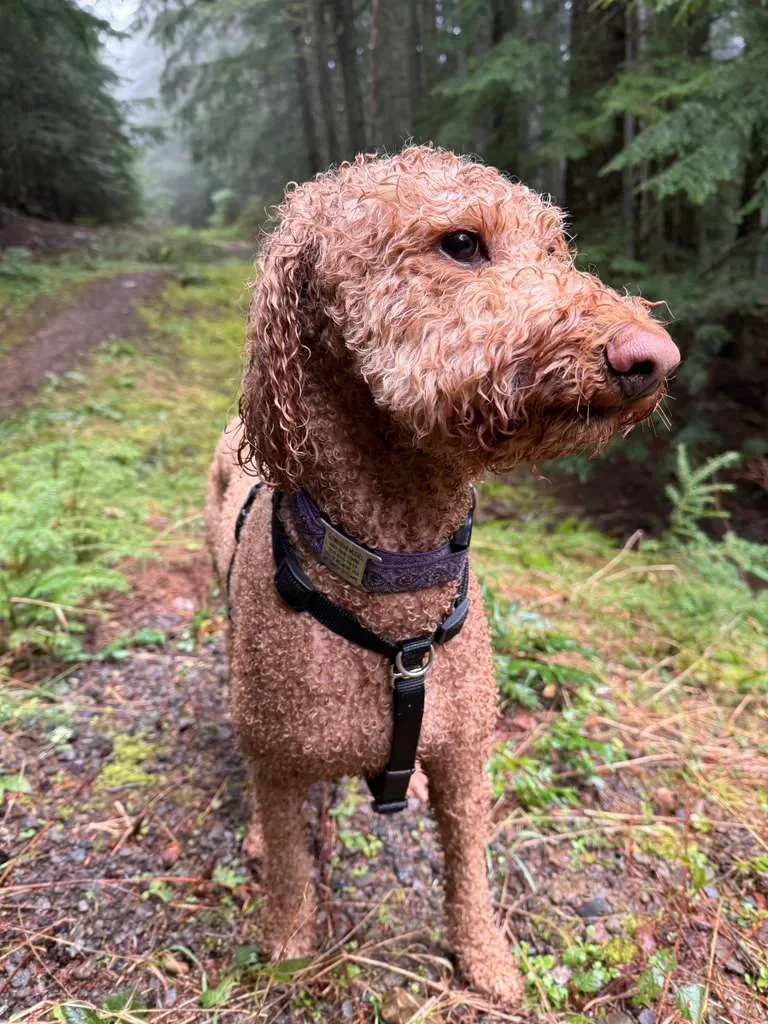
Our Approach To Training Reactive Dogs
-
Good reactivity training begins with enrichment. Enrichment improves a dog’s overall happiness and quality of life, which is often a missing piece in behavior training.
Our reactivity training helps you address areas where your dog could use more enrichment and help you discover what truly enriches your dog based on their temperament, breed, needs, and preferences.
Because true enrichment isn’t just puzzle toys or gadgets. It involves activities that match a dog’s natural instincts and breed tendencies. Examples of enrichment activities we help owners teach their dogs include:
Scent work
Problem-solving activities
Movement-based games
Cooperative work with the dog’s owner
When dogs get regular enrichment, they become more balanced, mentally satisfied, and easier to train because their energy has healthy outlets.
-
Health, comfort, and pain management are another core foundation of behavior training for reactivity.
When your dog is uncomfortable, injured, or experiencing physical stress, meaningful behavior improvement becomes extremely difficult. Our reactivity training programs help you understand factors that may contribute to stress or worsen behavioral issues, such as:
Poorly fitting equipment
Physical strain
Untreated pain
Overexertion
-
It can be hard to enjoy walks or being out and about with your dog if they have leash reactive tendencies. At Sit Down & Beyond, we’ve helped many dogs and their owners go from stressful park outings to relaxed, enjoyable walks sans lunging, barking, or pulling.
Our leash training for reactive dogs typically progresses through these stages:
Skill building for both dog and owner (engagement, leash handling, and redirection)
Controlled practice with neutral, non-reactive dogs in a private setting
Gradually introducing higher levels of distraction and more challenging scenarios
Transitioning into real-world environments such as parks and public spaces
Advanced stage: practicing calm behavior in the dog’s neighborhood, often the most difficult trigger environment
-
Environmental neutrality training teaches dogs to remain calm, relaxed, and emotionally neutral around everyday triggers such as other dogs, people, and distractions. Instead of forcing obedience around triggers, the goal is to change the dog’s emotional response so those triggers become unimportant.
We approach environmental neutrality training for reactivity in two key ways:
Mat Training
Starts indoors with short sessions and gradually expands to other rooms, yards, and public spaces
Rewards relaxed behavior on the mat when triggers are present
Helps the dog associate the mat with safety and emotional neutrality
Pattern Games
Uses repetitive, predictable reward-based routines
Helps dogs stay focused on their handler and disengage from distractions
Builds confidence and calm behavior in stimulating environments over timeAt Sit Down & Beyond, your dog’s needs are our number one priority. We offer flexible plans at reasonable rates so that those who need our services can benefit from them. We also offer tips and exercises you can use at home with your dog in between sessions.
-
“You can’t teach old dogs new tricks,” is saying. Older dogs can learn new skills and break old habits, too. We believe that with consistency, positive reinforcement, and maybe a few extra treats, even senior dogs can enjoy learning, gain confidence, and strengthen their bond with their owners. Age may change the pace, but it doesn’t limit a dog’s ability to grow, explore, and thrive. Our training programs are tailored to each dog’s abilities and energy level, ensuring every session is rewarding, stress-free, and fun. No matter how many birthdays your dog has celebrated!
Reactive Dog
Training FAQs
-
This is actually a hot topic in the world of dog training. Our answer is “not really.”
Reactivity is driven by a dog’s emotional response to a trigger (such as fear, frustration, or excitement). Obedience commands like sit, stay, or eye contact only control the dog’s behavior temporarily; they do not change the underlying emotion causing the reaction.
In fact, relying on obedience during reactive moments may sometimes make the problem worse. Forcing a dog to hold a sit or maintain eye contact around a trigger can create additional stress or conflict, because the dog is still feeling the emotional reaction but is being asked to suppress it.
At Sit Down & Beyond, we emphasize approaches that help dogs shift their emotional state from excited, scared, frustrated (all the different ingredients for reactivity) to neutral. It’s all about helping them develop the ability to remain calm and have that be the standard, rather than the “trick” that receives an award.
-
Many dogs get excited when they see a squirrel because they have a natural prey drive that makes small animals especially interesting. For some dogs, that excitement is mild and easy to redirect. For others, the reaction is more intense, emotional, and difficult to interrupt — and that’s when we consider it reactivity.
Your dog might just be excited if:
They bark briefly but can redirect to you.
They’re able to take treats or respond to cues.
Their body language is loose and wiggly.
They recover quickly once the trigger is gone.
The behavior looks playful or curiosity-driven.
Example: Your dog spots a squirrel, lunges once, but will happily keep walking if you cue them forward or redirect their attention.
Your dog may be reactive if:
Barking or lunging feels explosive or hard to interrupt.
They ignore high-value treats when triggered.
Their body becomes stiff, tense, or hyper-focused.
They seem overwhelmed, frustrated, or fearful.
It takes them a long time to calm down after the trigger passes.
The behavior is consistent and escalating over time.
Reactive behavior is usually rooted in fear, frustration, or over-arousal, not just excitement.
The easiest way to clear up your confusion about your dog’s response is booking a consultation with us. We’ll talk through your dog's “triggers,” assess their behavior, and explain why they might do the things they do when they see a squirrel, another dog, or another person.
-
Yes! At Sit Down & Beyond, we pride ourselves on giving any dog a chance.
If your dog is reactive during grooming, we’ll take a gradual, positive approach to help them feel comfortable with nail trims, baths, brushing, and handling. The goal isn’t to rush the process — it’s to build trust and confidence so grooming becomes manageable and low-stress.
If your dog is reactive to other dogs, we may recommend our school, socialization, or daycare training programs. These structured environments allow your dog to practice appropriate behavior in a safe, supervised setting while we work on confidence-building and desensitization around other dogs.
For more intensive support, our board and train program provides focused, structured training in a rewarding environment. While you’re away, your dog receives consistent guidance, clear expectations, and carefully managed social exposure designed to improve reactivity in a safe and supportive way.
-
We offer training sessions in 6-session and 10-session packages, but the number of sessions your dog will require depends on the level of reactivity, how well they respond to training, and how often you work on training at home.
-
We want to give every dog a chance, but safety for your dog and our trainers comes first. That said, we won’t turn away a dog with a minor bite history, so please be honest with us before your dog's consultation. We promise that we’ll understand!
We may require muzzle training as a prerequisite or a supplement to our sessions to ensure everyone’s safety during the modification process.