
Training for Dogs With Separation Anxiety in Portland, Oregon
Separation anxiety in dogs can lead to destructive chewing, complaining neighbors, and overall stress for your family, not to mention your dog. At Sit Down & Beyond, we work to desensitize dogs to being left alone through controlled exposure and consistent, positive training.
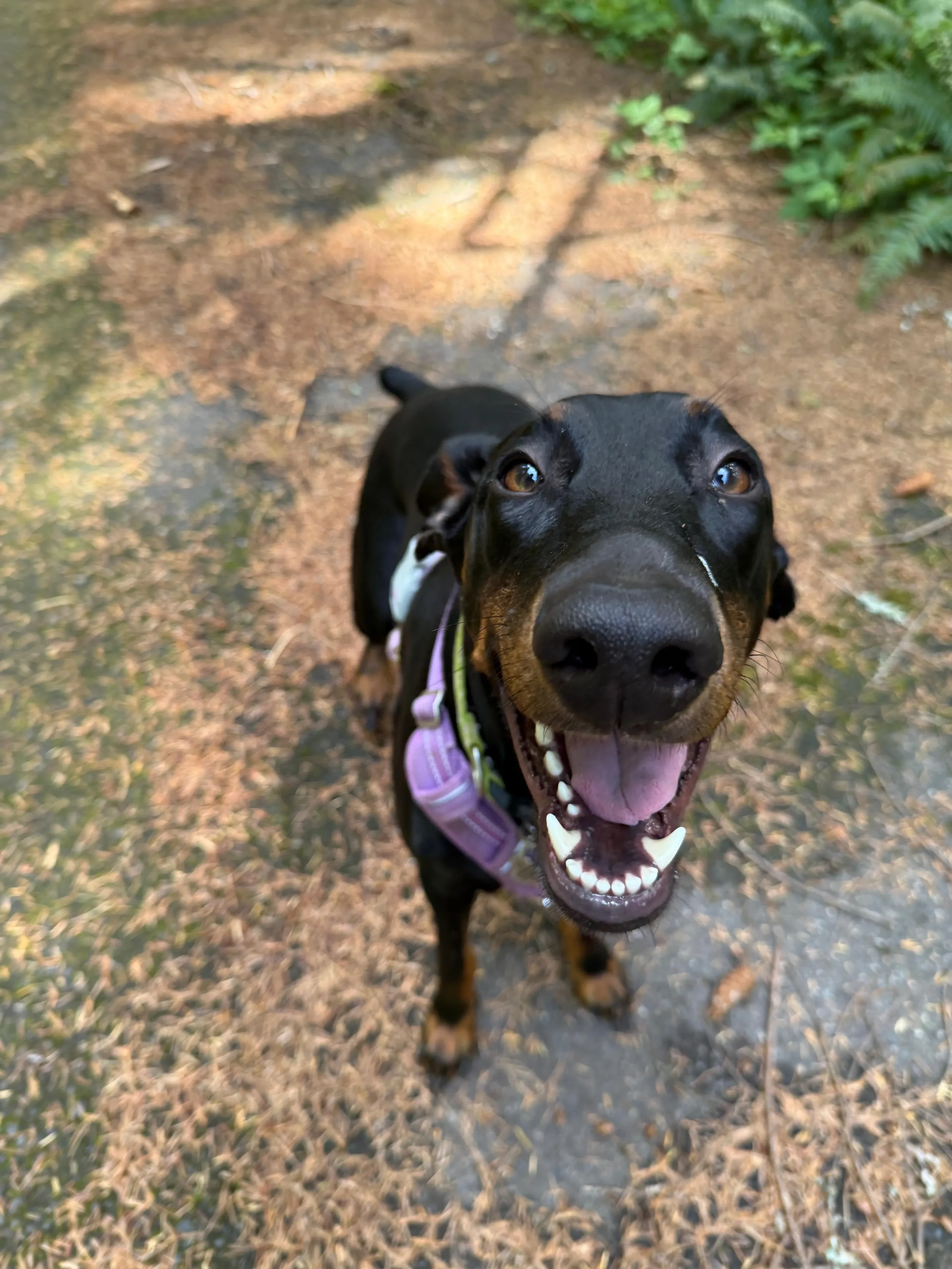
What Does True Separation Anxiety in Dogs Look Like?
True separation anxiety is not just a dog being a little anxious when you leave the house. It is a severe, often debilitating emotional condition where a dog is unable to cope with being alone, even for short periods of time.
In more serious cases, dogs can become highly distressed almost immediately after their owner leaves. This is not boredom or misbehavior; it is genuine panic. That panic can escalate quickly and may result in destructive or even self-injurious behavior as the dog attempts to escape or relieve their stress.
Because of this intensity, separation anxiety requires structured, gradual training and careful management rather than simple “ignore it” or “wait it out” approaches.
What Does Separation Anxiety
in Dogs Look Like?
Working with a Dog Trainer for
Separation Anxiety Can Help:
Why Is Sit Down & Beyond the Best Dog Trainer for Separation Anxiety in Portland?
-
Positive Reinforcement Centered Training
At Sit Down & Beyond, dog training for separation anxiety is centered on science-backed, positive-reinforcement techniques. Instead of relying on discipline or punishment, our training focuses on rewarding confident, calm behaviors while gradually altering your pup’s emotional reactions to triggers. Our approach to training dogs with separation anxiety improves their behavior and strengthens the trust between you and your dog.
-
Train With Your Dog at Our Facility & at Home With Customized Instructions
No two dogs are alike, so why would they need a one-size-fits-all training? At Sit Down & Beyond, your dog gets a customized training plan suited to their distinct personality and challenges. You’ll understand why separation causes anxiety for your dog, learn to identify their triggers, and learn how to help them stay calm when you’re away. We’ll give you easy-to-follow training plans personalized to your dog's specific anxiety triggers, so they continue to make progress between sessions.
-
Practical Separation Anxiety Training for Dogs in Portland
Separation anxiety doesn't happen in a training facility; it shows up when you leave, so that’s where we focus our training. Whenever you pick up your keys, put on your coat, and head to the door, the anxiety appears, meaning that’s when training matters most. Our programs include controlled, at-home training that gradually exposes your dog to your actual comings and goings in your Portland home. By safely and strategically working through their departure triggers in a familiar place, your dog builds lasting confidence and more reliable behavior where it truly matters.
What Does Training for Separation Anxiety in Dogs Cost in Portland?
Addressing your dog's separation anxiety isn't just about behavior modification; it's about reclaiming the freedom to leave your home without worry or guilt. Our packages are designed to provide the ongoing support you and your pup will need at a discounted rate.
1. The Foundation:
Initial Evaluation
2. Private Training
Packages
Hear from Some of Our Previous Clients
What Good Separation Anxiety Dog Training Looks Like
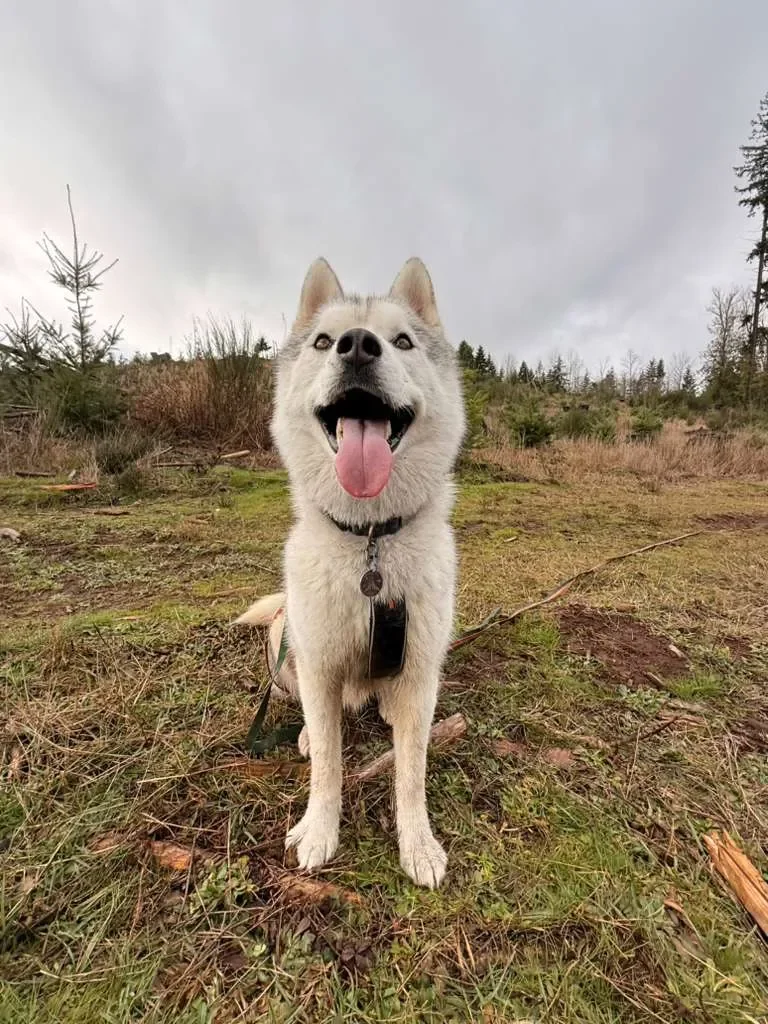
Our Approach To Separation Anxiety Training for Dogs
-
At Sit, Down & Beyond, our approach to dog training for separation anxiety focuses on helping dogs feel safe and confident when left alone. Separation anxiety is not stubbornness or disobedience; it is a genuine emotional response that requires careful, structured training.
Rather than forcing dogs to “cry it out,” we work below the dog’s stress threshold and gradually build their comfort with independence over time.
Training typically begins with:
Very short absences
Small departures and returns
Controlled exposure to separation triggers
Building calm routines around leaving the home
The goal is to prevent panic while teaching the dog that being alone is safe and predictable.
-
Many dogs with separation anxiety react long before the owner actually leaves. Picking up keys, putting on shoes, grabbing a bag, or walking toward the door can all become stress triggers.
Our separation anxiety dog training programs help desensitize dogs to these everyday routines by reducing the emotional significance attached to them.
Dogs gradually learn that:
Movement around the home is normal
Owners leaving the room is not a crisis
Departure routines do not automatically predict panic
Coming and going becomes less emotionally charged
This process helps create calmer, more neutral responses to situations that previously caused anxiety.
-
Dogs with separation anxiety often struggle with independence in general, not just full departures. That is why we focus heavily on teaching dogs how to settle, relax, and occupy themselves without constant interaction.
We incorporate structured independence exercises such as:
Relaxation training
Calm place work
Enrichment-based downtime
Food puzzles and feeding routines
Controlled alone-time exercises
These exercises help dogs develop better coping skills and emotional stability while reducing overdependence on constant owner interaction.
-
Successful separation anxiety training requires far more than training sessions alone. Dogs also need thoughtful day-to-day management while they build confidence, coping skills, and tolerance for being alone.
At Sit, Down & Beyond, we help owners create realistic support systems that reduce unnecessary stress and prevent repeated panic episodes during the training process. One of the biggest parts of separation anxiety training is limiting situations where the dog is pushed beyond their emotional threshold before they are ready.
Depending on the household, this may include:
Support from family or friends
Structured daycare alternatives
Professional boarding support
Pet sitters or dog walkers
Modified work schedules or work-from-home routines
We also discuss realistic lifestyle adjustments that may be necessary while training is taking place. In many cases, owners need a reliable network of people who can help care for the dog temporarily, so the dog is not repeatedly left alone before they are capable of handling it successfully.
Rather than relying heavily on overstimulating daycare environments, we often encourage calmer alternatives that help keep dogs under threshold and emotionally balanced throughout the process.
The goal is to create enough stability and support that training can progress gradually without repeatedly triggering overwhelming anxiety or panic responses.
-
Physical exercise and mental enrichment play a major role in dog training for separation anxiety. Dogs that lack outlets for their energy often struggle more with stress, frustration, and emotional regulation.
Our programs help owners create healthier daily routines through:
Breed-appropriate exercise
Mental enrichment activities
Food-based enrichment
Structured routines and predictability
Calming decompression activities
When dogs are mentally fulfilled and physically balanced, they are often better able to relax and handle alone time successfully.
-
Some dogs experience separation anxiety at a more severe level and may require additional support beyond training alone.
In these situations, we may recommend working alongside a veterinary behaviorist (not just a regular dog behaviorist) to determine whether medication support could help reduce the dog’s overall anxiety levels while training takes place.
Common medications veterinarians may discuss for separation anxiety include:
Clomicalm® (clomipramine)
Reconcile® (fluoxetine hydrochloride)
Fluoxetine
Medication should not viewed as a shortcut or replacement for training. Instead, for some dogs, it can help create a calmer emotional baseline that makes learning and progress more achievable.
At Sit Down & Beyond, our goal with separation anxiety training it so help dogs find independece but also to help owners understand that severe separation anxiety cases may often require:
Long-term consistency
Careful pacing
Willingness to temporarily adjust routines
Strong support systems
Patience through setbacks and fluctuations in progress
Recovery from separation anxiety responses is rarely linear.
Some days a dog may handle longer absences successfully, while other days they may struggle with much shorter durations. Our goal is to guide owners through that process while incrementally building long-term confidence, resilience, and a calmer daily life overall.
Separation Anxiety Dog
Training FAQs
-
Yes—separation anxiety can be significantly improved, and in many cases, greatly reduced, with structured and consistent training. The key is not forcing dogs to “get over it,” but working below their stress threshold and gradually building tolerance to being alone over time.
Training focuses on controlled, incremental absences (starting with seconds), careful exposure to departure cues, and teaching the dog that alone time is predictable and safe. Progress is built slowly, and setbacks can happen, but with consistency, dogs can learn to remain calm when separated from their owner.
-
There’s no fixed timeline for when your dog will no longer have separation anxiety. It can depend on the dog’s temperament, the severity of the anxiety, and the amount of consistent training they get between sessions and after they’ve completed their class package.
-
We don’t really understand why separation anxiety happens, but we do know that any dog, no matter the age, size, or breed, can suffer from it. Some dog breeds are more prone to it than others.
It is not caused by “bad behavior” or lack of discipline. Instead, it is a learned emotional response tied to distress when alone, which can be influenced by a combination of factors, including genetics, environment, past experiences, and dependency on human proximity.
-
Separation anxiety is often worsened when dogs are repeatedly pushed past their threshold and experience full panic episodes during training or daily life. Leaving dogs alone without proper preparation, or expecting them to “cry it out,” can reinforce the panic response instead of resolving it.
Lack of structure, inconsistent routines, and sudden changes in alone-time expectations can also increase anxiety levels and slow down progress.
-
Not always—but in more severe cases, medication can be a helpful support tool when used alongside training.
Veterinary behaviorists may prescribe medications such as fluoxetine (Reconcile or generic Prozac), clomipramine (Clomicalm), or situational medications like clonidine depending on the dog’s needs. These are not replacements for training, but they can help lower overall anxiety so the dog is able to learn and progress more effectively.
Medication decisions should always be made in partnership with a qualified veterinary behaviorist, not a general trainer.
-
If your dog is showing severe panic when you leave, the priority is not to “train through it,” but to prevent repeated full panic episodes. That means management becomes just as important as training.
This may include arranging support from family or friends, using sitters or structured boarding options, modifying work schedules, or building a network so the dog is not routinely left alone beyond their current threshold. The goal is to avoid repeated distress while gradually building tolerance in a controlled way.