
Dog Training for Recall in Portland, Oregon
Poor recall in dogs can lead to unsafe situations and frustration, making everyday outings stressful for both you and your dog. As premier Portland dog trainers, we work to build reliable recall through consistent, positive training that strengthens your dog’s focus, responsiveness, and confidence around distractions.
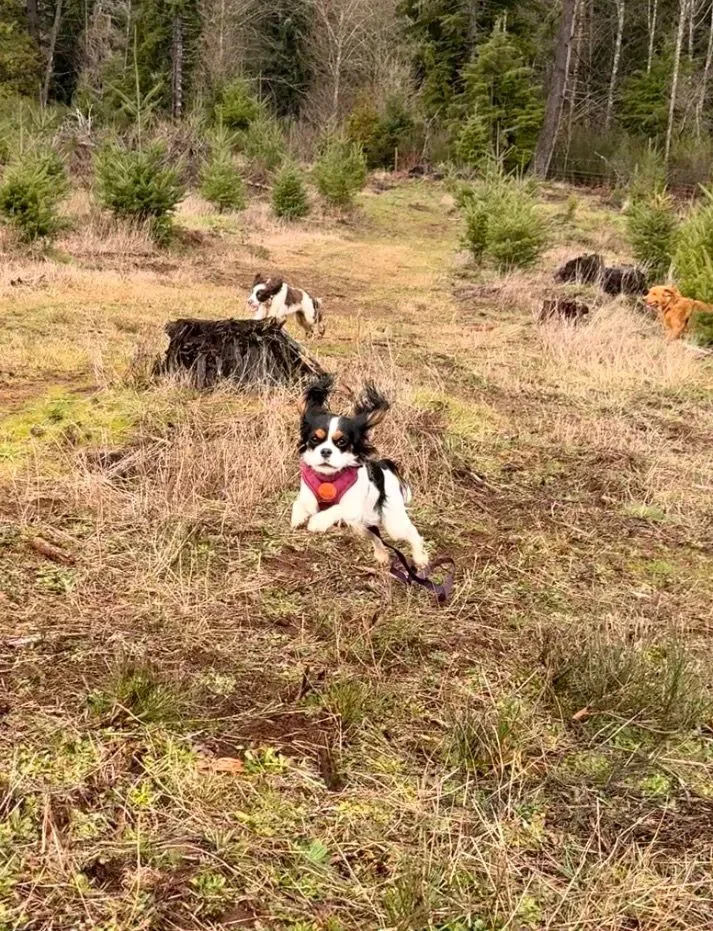
What Does Lacking Recall
Look Like in Dogs?
Our Recall Training
for Dogs Can Help:
Why Does Sit Down & Beyond Offer the Best Recall Training for Dogs in Portland?
-
Training Centered on Positive Reinforcement
At Sit Down & Beyond, recall training is built on science-backed, positive reinforcement methods that teach your dog to reliably return when called, even around distractions. Rather than relying on punishment or force-based techniques, we focus on rewarding engagement, responsiveness, and voluntary check-ins to build a strong recall foundation. Through consistent training and gradual exposure to real-world environments, our recall programs improve reliability, increase off-leash safety, and strengthen the trust and communication between you and your dog.
-
Educated Training Sessions & Customized At-Home Training Instructions
Recall training for dogs should never be one-size-fits-all. At Sit Down & Beyond, we create customized recall training plans designed around your dog’s personality, distractions, and motivation. You’ll learn why your dog chooses not to come when called, how to build stronger engagement, and how to create reliable recall in real-world environments. We provide clear, step-by-step at-home recall training instructions tailored to your dog’s specific challenges so progress continues long after each session ends.
-
Real-World Recall Training for Dogs in Portland
Reliable recall doesn’t happen in a distraction-free training room. Instead, we use real-world experiences where dogs are expected to come when called at parks, on hikes, and around other dogs during everyday distractions. Our recall training programs include practical, real-world recall work in controlled environments throughout Portland. By safely and strategically practicing around increasing distractions, your dog learns to stay engaged, respond reliably, and build confidence off-leash in everyday situations.
How Much Does Dog Training for Recall Cost in Portland?
Investing in your dog’s recall is about more than just "fixing" a behavior; it’s about regaining your freedom and confidence on everyday adventures, especially in public.
1. The Foundation:
Initial Evaluation
2. Private Training
Packages
Hear from Some of Our Previous Clients
What the Best Recall Training for Dogs Looks Like
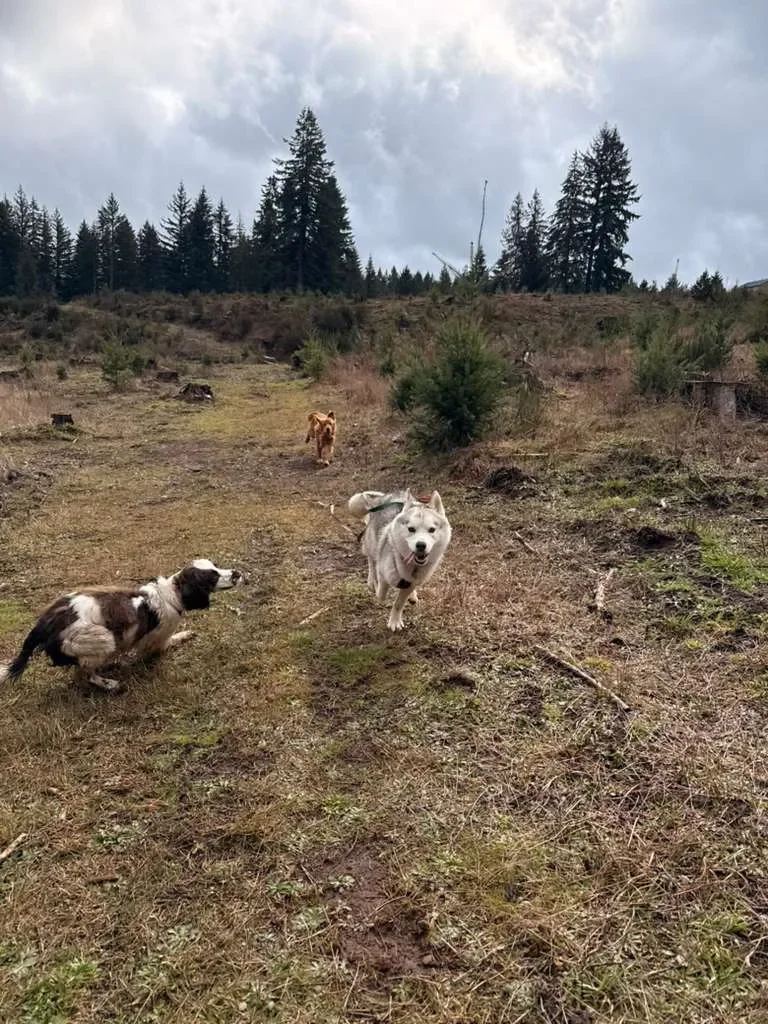
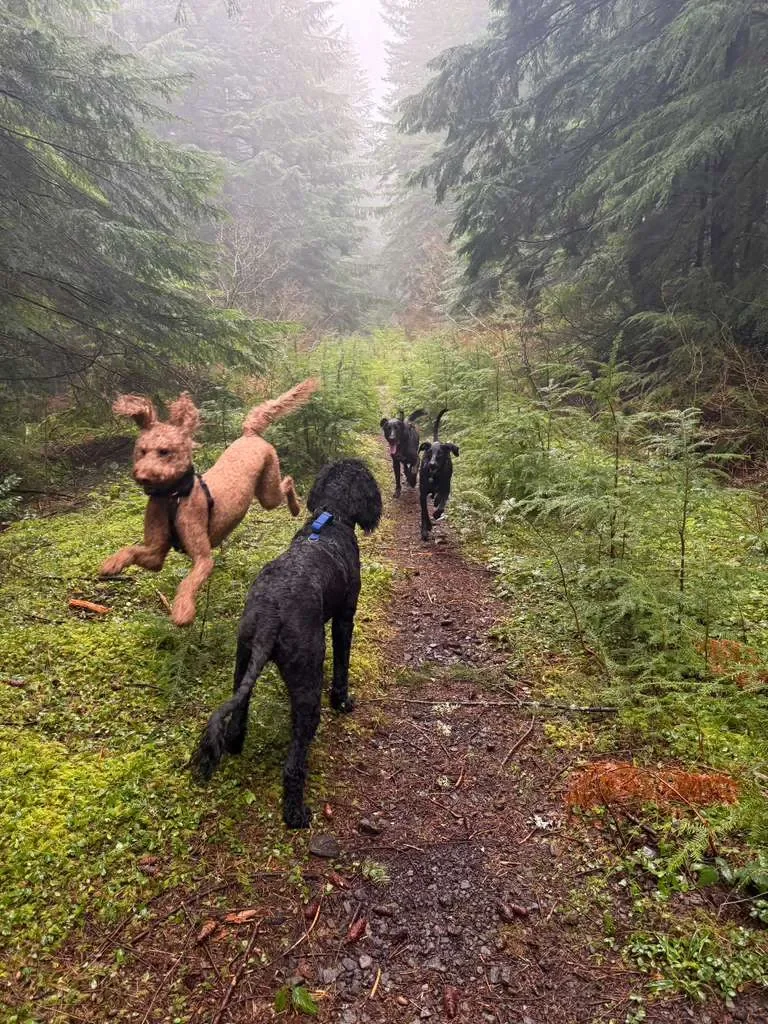
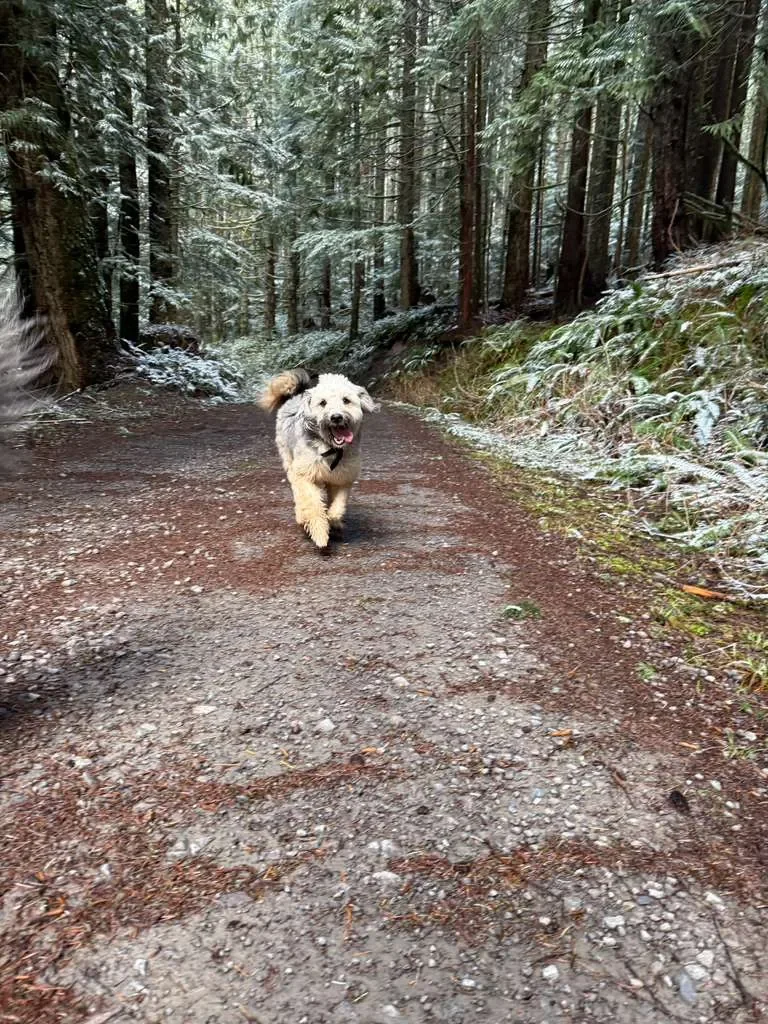
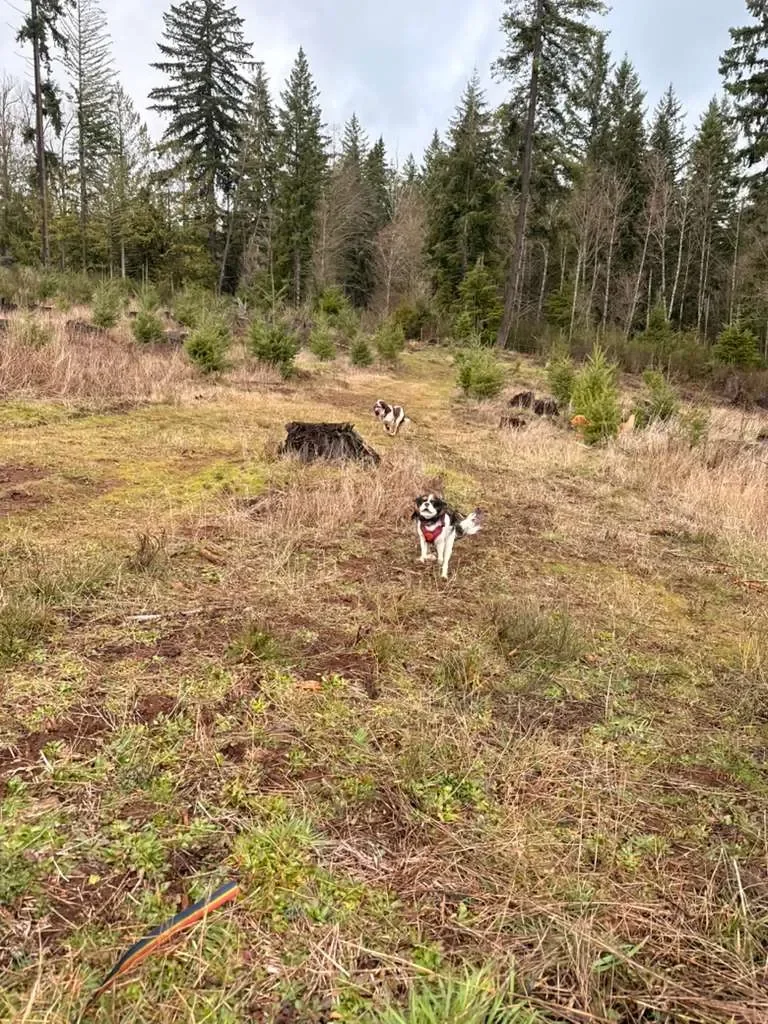
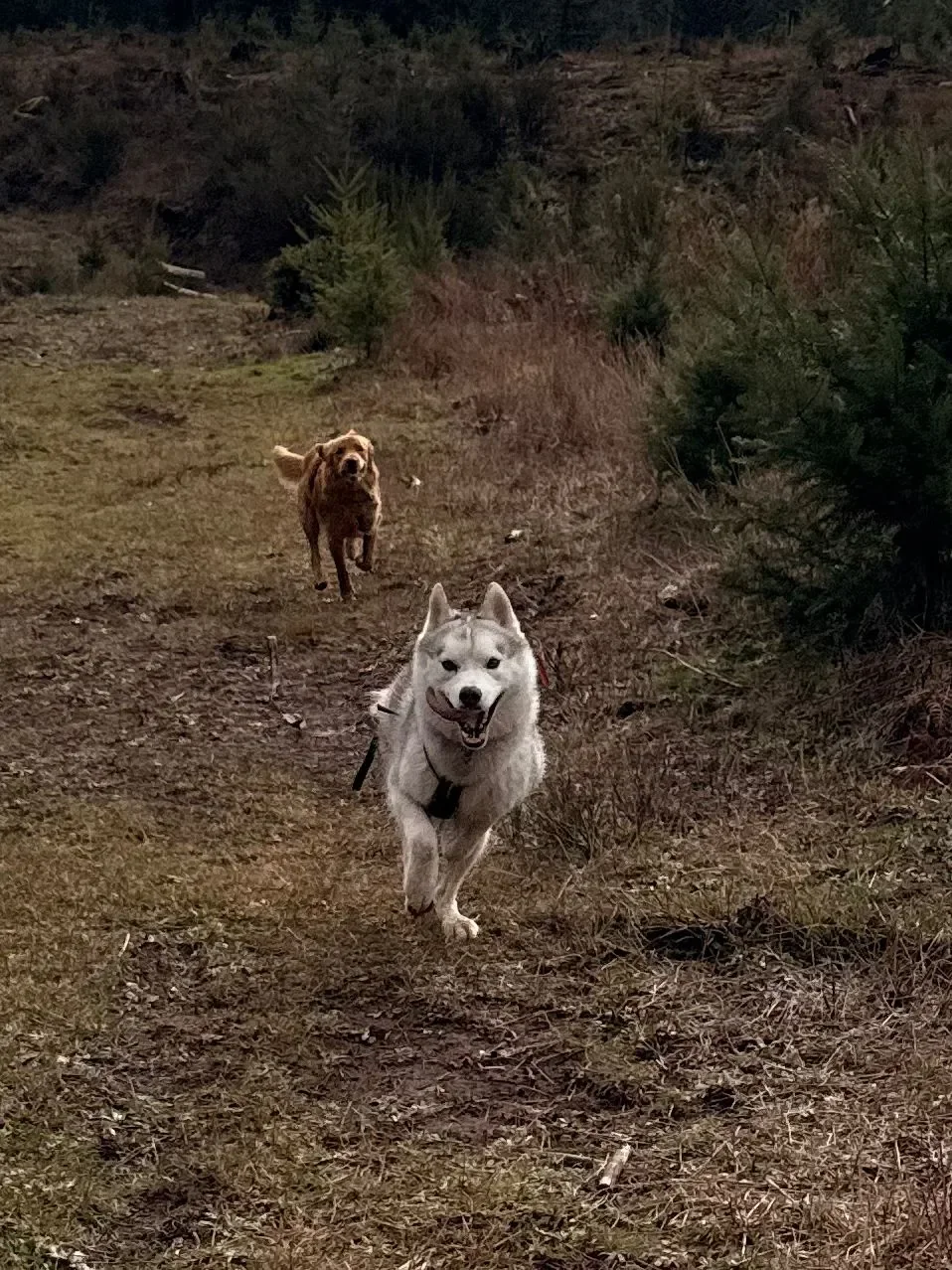
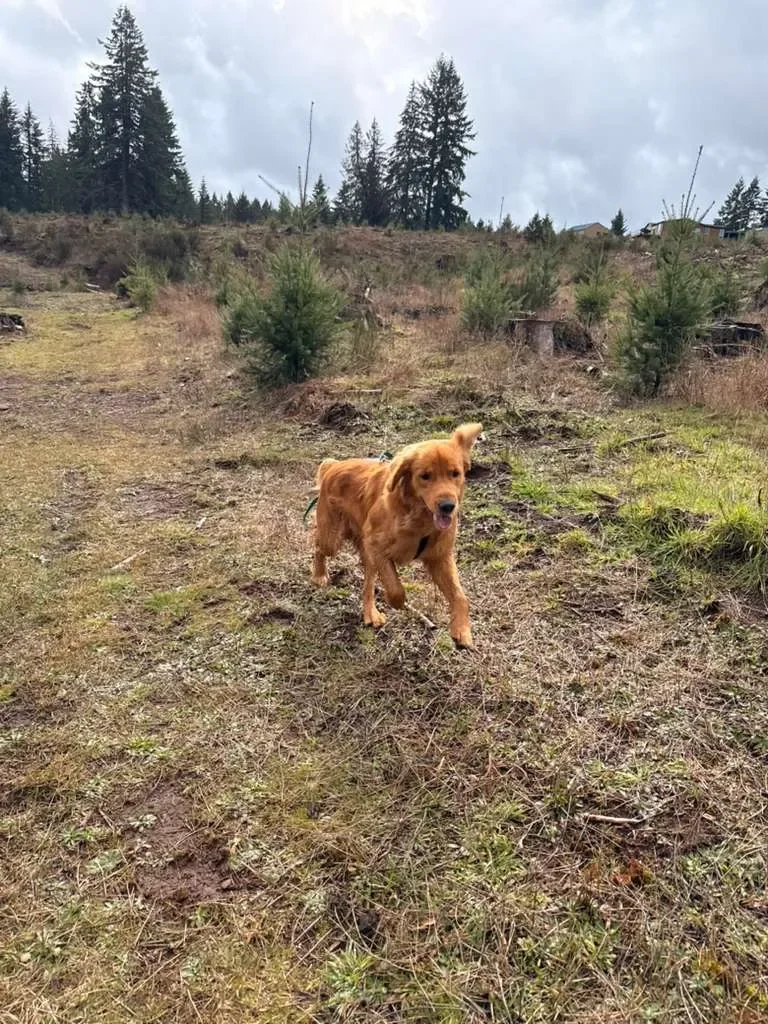
Our Approach To Recall Training for Dogs
-
If you want your dog to be able to reliably come when called, the first step is ensuring your dog understands that paying attention to you is worth it. Our recall training begins by slowly building engagement through reward, not obedience through withholding reward or punishment.
So, instead of relying on repeated commands, we focus on teaching dogs to offer attention voluntarily, check in, make eye contact, and orient toward the handler. This creates a foundation for recall built on choice rather than pressure, where your dog associates the action of responding to you with a reward or positive reinforcement.
Our recall training in Portland establishes this through exercises that:
Demonstrate rewards for spontaneous eye contact and engagement
Builds value in the handler through consistent reinforcement
Teaches dogs that attention toward the handler always pays off
Creates early “check-in” habits in low-distraction environments
When engagement is strong, recall becomes a natural extension of attention. You’re building a reliable response through healthy habits, not a forced behavior.
-
Once engagement is established, we introduce structured markers that clearly communicate success to the dog.
These markers can be phrases such as “yes” and “get it” to define two different outcomes:
“Yes” = come to me for a reward
“Get it” = go collect a reward in the environment.
This clarity removes confusion and helps dogs understand exactly what earned reinforcement.
Recall is built through repetition of:
Name → attention → marker → reward
Progressive reinforcement (from frequent to variable rewards)
High-value rewards for fast, enthusiastic responses
Structured “make it rain” reinforcement phases during early training
Dogs learn that responding quickly and confidently leads to immediate payoff.
-
Reliable recall is not built in calm environments alone. Practice makes perfect, but you won’t see consistency in all settings if you only practice at home! Reliable recall is best built outside of calm environments, where your dog can build their recall skills while overcoming distractions and obstacles.
We use structured progression, including:
Long-line training for safety and follow-through
Controlled distraction environments (parks, trails, public spaces)
Short, intentional recall reps instead of constant repetition
Gradual increase in distance, duration, and difficulty
A critical rule in recall training is that every cue must be followed through. If a recall is called, it is completed and rewarded! No exceptions. This prevents confusion and maintains reliability.
Our trainers also emphasize:
Avoiding over-cueing (preventing recall fatigue or learned irrelevance)
Preventing “poisoning” of the recall cue through negative associations
Strategic reinforcement to keep recall meaningful long-term
The goal is a recall that remains strong even when life is chaotic, exciting, or unpredictable.
-
Reliable recall training starts with enrichment. Dogs are far more likely to come when their physical, mental, and emotional needs are being met. Building strong recall is about more than just meeting commands. It’s about creating a relationship where your dog wants to stay connected to you, even around distractions.
Our recall training helps you identify what motivates your dog most and how to use those rewards effectively based on their temperament, breed, energy level, and personality. Successful recall training isn’t one-size-fits-all. It’s built around activities and rewards that naturally encourage your dog to focus, engage, and choose you over their environment.
Examples of recall-building activities we incorporate include:
Engagement games
Reward-driven chase and movement games
Scent-based recall exercises
Real-world distraction training
Cooperative play with the owner
When dogs get regular enrichment, they become more balanced, mentally satisfied, and easier to train because their energy has healthy outlets.
-
Physical comfort and proper conditioning are essential foundations of reliable recall training. When a dog is uncomfortable, overstimulated, or physically stressed, staying engaged and responding consistently becomes a much more difficult task. Our recall training programs help you identify factors that may interfere with your dog’s responsiveness and focus, including:
Poorly fitting equipment
Physical discomfort or fatigue
Overstimulation from distracting environments
Lack of appropriate exercise or recovery
By addressing these underlying factors alongside training, dogs are better able to stay focused, engaged, and successful during recall work both on and off leash.
Our Approach To Recall Training for Dogs
Sometimes you think your dog has recall training down pat, only to start having issues down the road. Dogs learn by response = action. If they act a certain way, they will get a certain outcome. Once you start behaving in a way that contradicts their expectations, they can become confused and no longer do the thing you want them to do. Here are a few things to watch out for to ensure reliable recall training.
-
Learned Irrelevance
Learned irrelevance happens when a recall cue stops meaning anything to the dog because it no longer predicts a consistent outcome. This is one of the most common reasons recall breaks down even after it was previously strong.
When dogs are repeatedly called without meaningful follow-through, or when the reward becomes inconsistent or absent, the cue loses value. The dog begins to learn that responding doesn’t reliably change anything, so attention shifts to more rewarding environmental stimuli instead.
This can happen quickly if reinforcement is not maintained correctly. In some cases, recall can degrade in as little as a week of inconsistency. The fix is not more repetition, but restoring meaning: making recall intentional, valuable, and consistently reinforced.
-
Cue Poisoning
Cue poisoning occurs when a word or signal becomes associated with something negative or unrewarding, causing the dog to avoid or ignore it. For example, let’s say you want to recall your dog to take them home from the dog park. You give the recall command “come, [dog's name]”; they come over, and you clip on their harness and take them home, and away from the fun!
In recall training, this most commonly affects both the cue “come” and the dog’s name.
The dog’s name functions as a recall trigger, not just an identifier. If it is repeatedly followed by frustration, correction, or the end of something enjoyable (like being called back to end play), the emotional meaning of the cue shifts.
Once poisoned, dogs may hesitate, disengage, or actively avoid responding to the cue. This is not disobedience; it is learned association.
Rebuilding a poisoned cue requires:
Removing negative associations
Reintroducing the cue in highly positive contexts
Reinforcing every correct response consistently
-
Overtraining Recall
Overtraining recall can create a dog that is constantly looking to the handler for direction instead of confidently engaging with their environment. While strong recall is the goal, excessive repetition or always interrupting exploration can lead to a dog that never fully settles or learns how to make independent decisions in safe contexts.
You should want your dog to be able to look to you for instruction when necessary, but have the confidence to interact with their surroundings independently.
A well-balanced recall program includes structured practice sessions and clear reinforcement, but also intentional time where the dog is allowed to simply be a dog.
Reactive Dog Training FAQs
-
Every dog learns at a different pace depending on temperament, environment, motivation, and training history. Some dogs improve quickly, while advanced off-leash recall reliability may require ongoing practice over several months.
-
Yes. Recall training in dogs can improve responsiveness around distractions like squirrels, bikes, other dogs, or wildlife. We work on building engagement, impulse control, and reliable responses in real-world distractions.
-
While many dogs struggle with recall around distractions at first, training recall in a highly distracted dog is possible. At Sit Down & Beyond, our training focuses on building engagement, motivation, and reliability step-by-step so dogs can respond successfully in increasingly challenging environments.
-
We offer training sessions in 3-session packages for recall training in Portland, but the number of sessions your dog will require depends on the current level of recall, how well they respond to training, and how often you work on training at home.
-
At Sit Down & Beyond, recall training is customized to each dog’s personality, motivations, environment, and goals. We focus on real-world reliability, owner education, and positive reinforcement methods that build lasting engagement and trust.