
Effective Dog Training for Aggressive Behavior in Portland, OR
When dogs show aggressive behavior, it can make everyday life stressful for both you and your pet. At Sit Down & Beyond, we are Portland dog trainers who help manage aggression in dogs through desensitization, careful exposure, and steady, positive-reinforcement training.
Recognizing Aggression in Dogs:
What To Look For
Aggressive Dog Solutions:
Training That Works
Why Choose Sit Down & Beyond for Training for Aggressive Dog Behavior in Portland?
-
Transforming Behavior With Positive Reinforcement Training
At Sit Down & Beyond, training for dogs with aggressive behavior relies on positive reinforcement methods that are supported by science. Instead of using punishment or discipline, we reward calm and confident actions. Over time, this approach helps your dog react differently to triggers. Our training not only improves your dog's behavior but also builds a stronger bond of trust between you and your dog.
-
Expert Training Sessions & Personalized At-Home Guidance
At Sit Down & Beyond, we make training plans that fit your dog and focus on managing aggressive behavior. We help you understand why your dog acts out, spot early signs of aggression, and know what to do in daily life. Our simple, at-home instructions are tailored to your dog’s triggers so you can keep making progress between sessions.
-
Practical Behavioral Training for Aggressive Dogs in Portland
Aggression rarely appears in a calm training room, which is why we don’t focus our efforts there. Aggressive behavior often happens during everyday moments, such as walks in your neighborhood, visits to the park, or when there are distractions. That’s why training should take place in these real-life situations. Our programs offer controlled, real-world practice throughout Portland. By helping your dog face triggers safely in realistic settings, we build lasting confidence and more dependable behavior where it counts most.
How Much Does Aggressive Dog Training in Portland Cost?
Helping your dog with aggression is about more than solving a problem. It lets you enjoy walks and outings together without stress. In Portland, aggressive dog training typically costs between $100 and $200 per session, depending on the trainer’s experience and the program. Our specialized training includes:
1. The Foundation:
Initial Evaluation
2. Private Training
Packages
Hear from Some of Our Previous Clients
What Good Dog Training for Aggressive Behaviour Looks Like
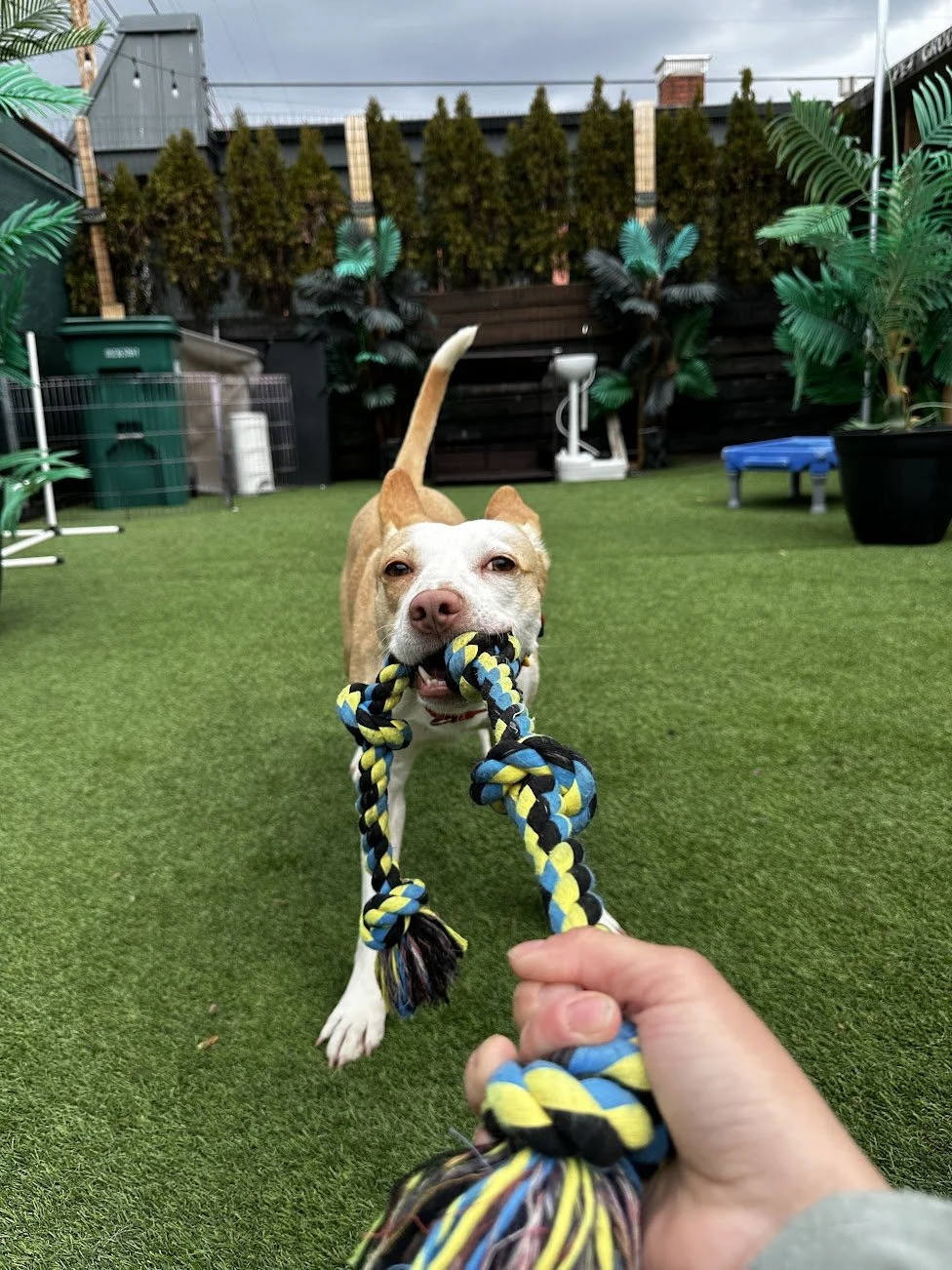
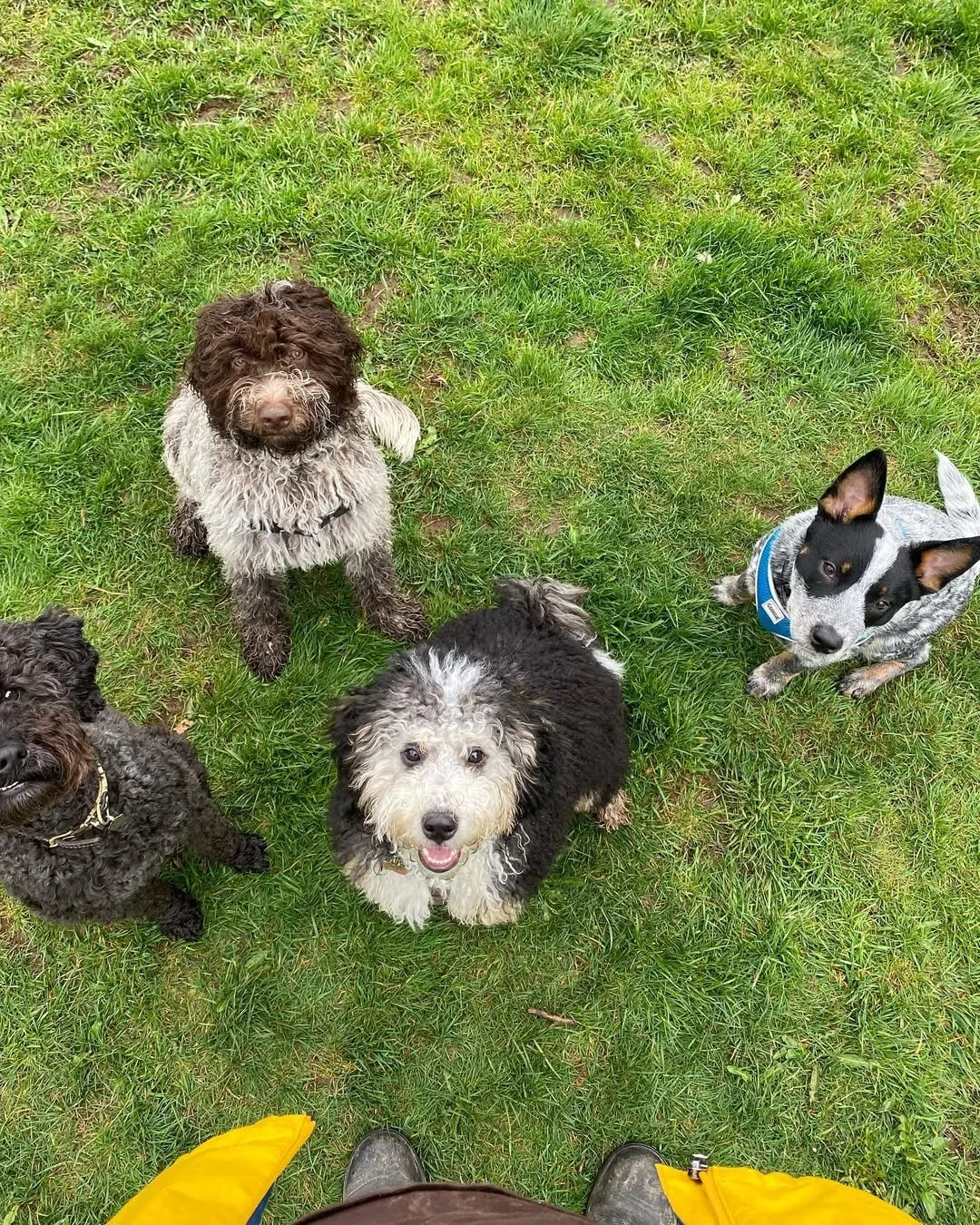
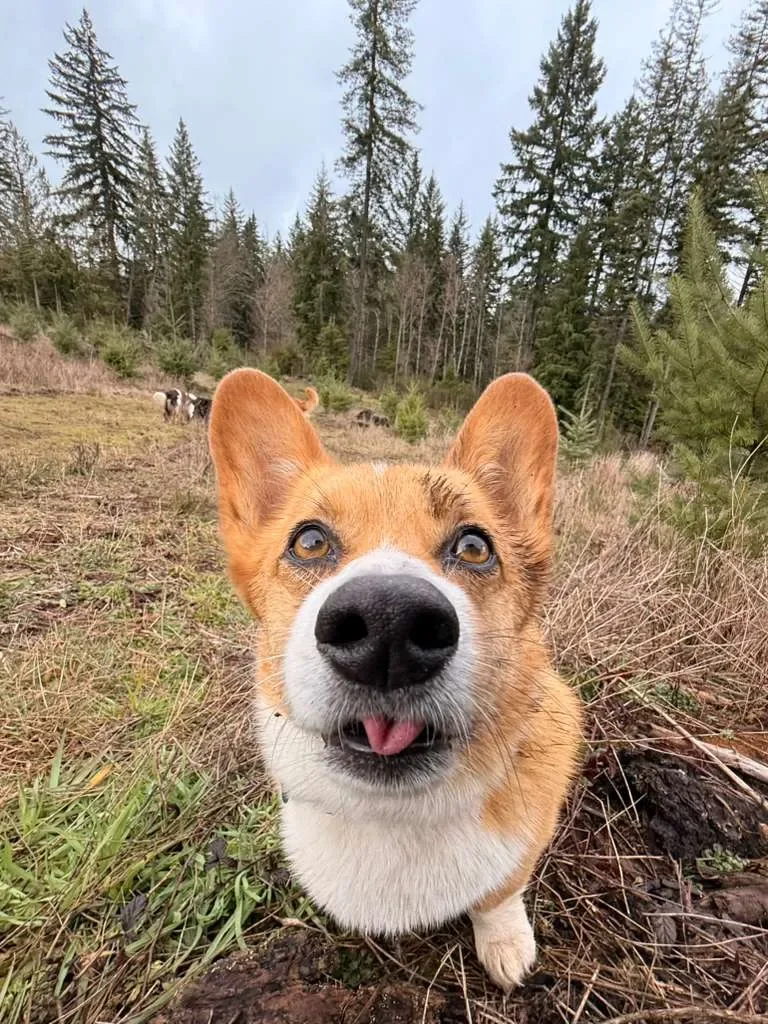
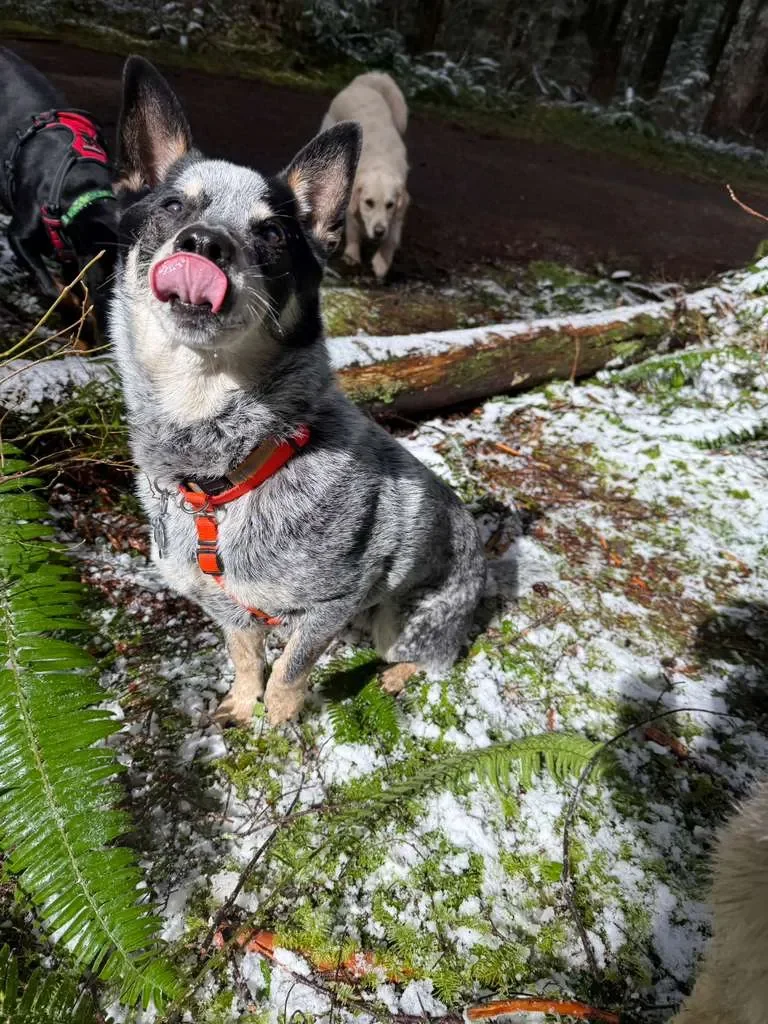
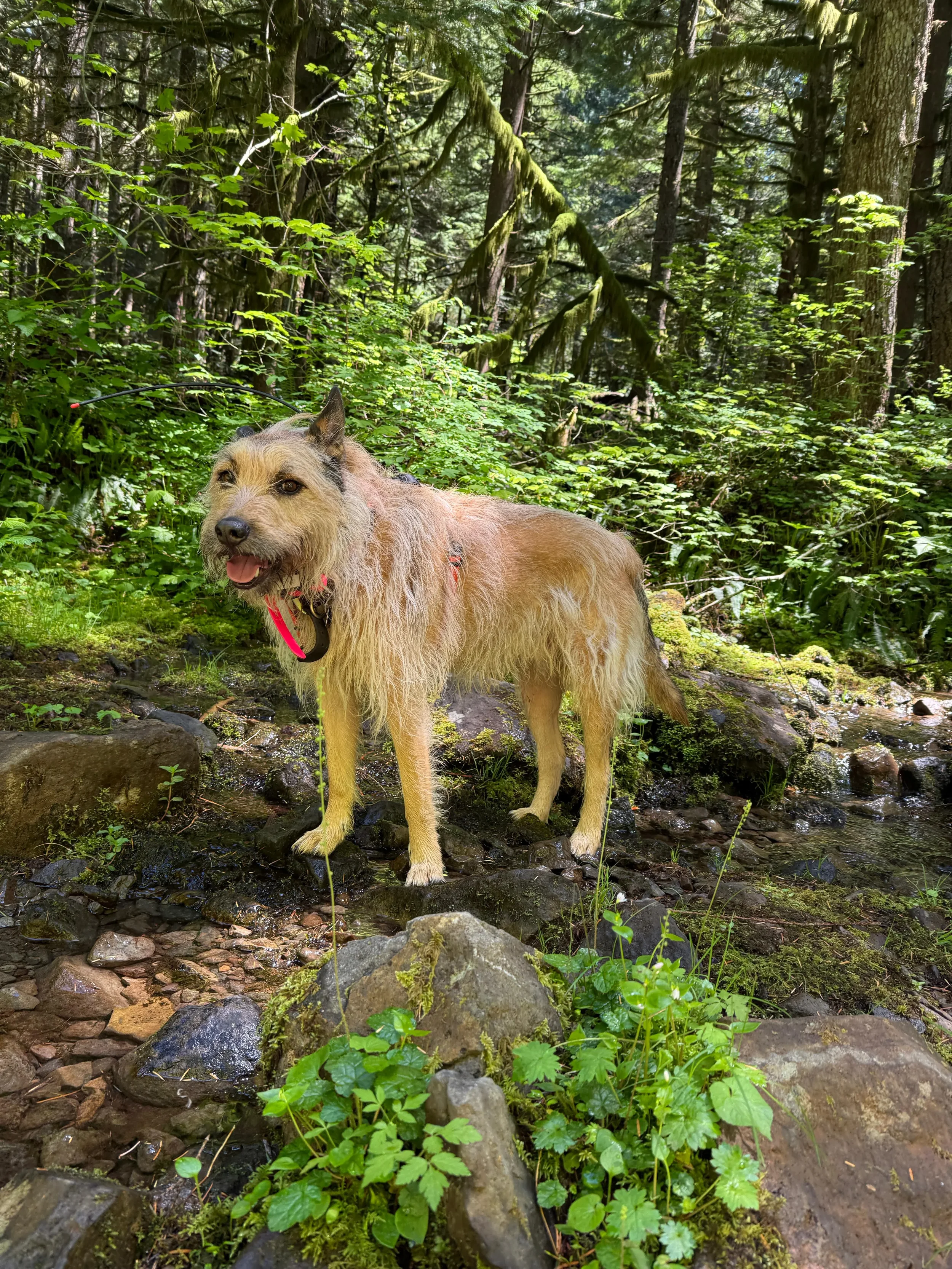
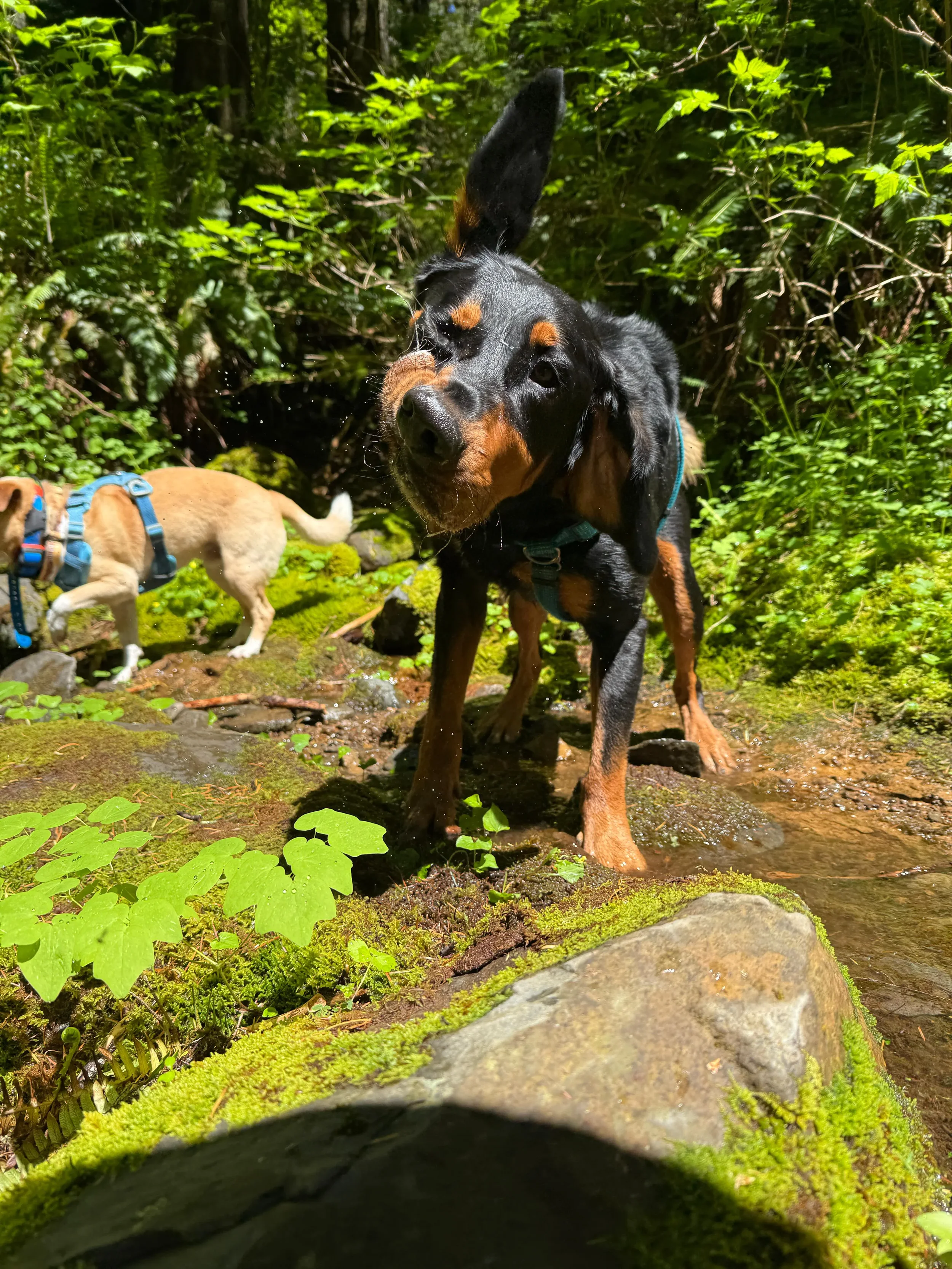
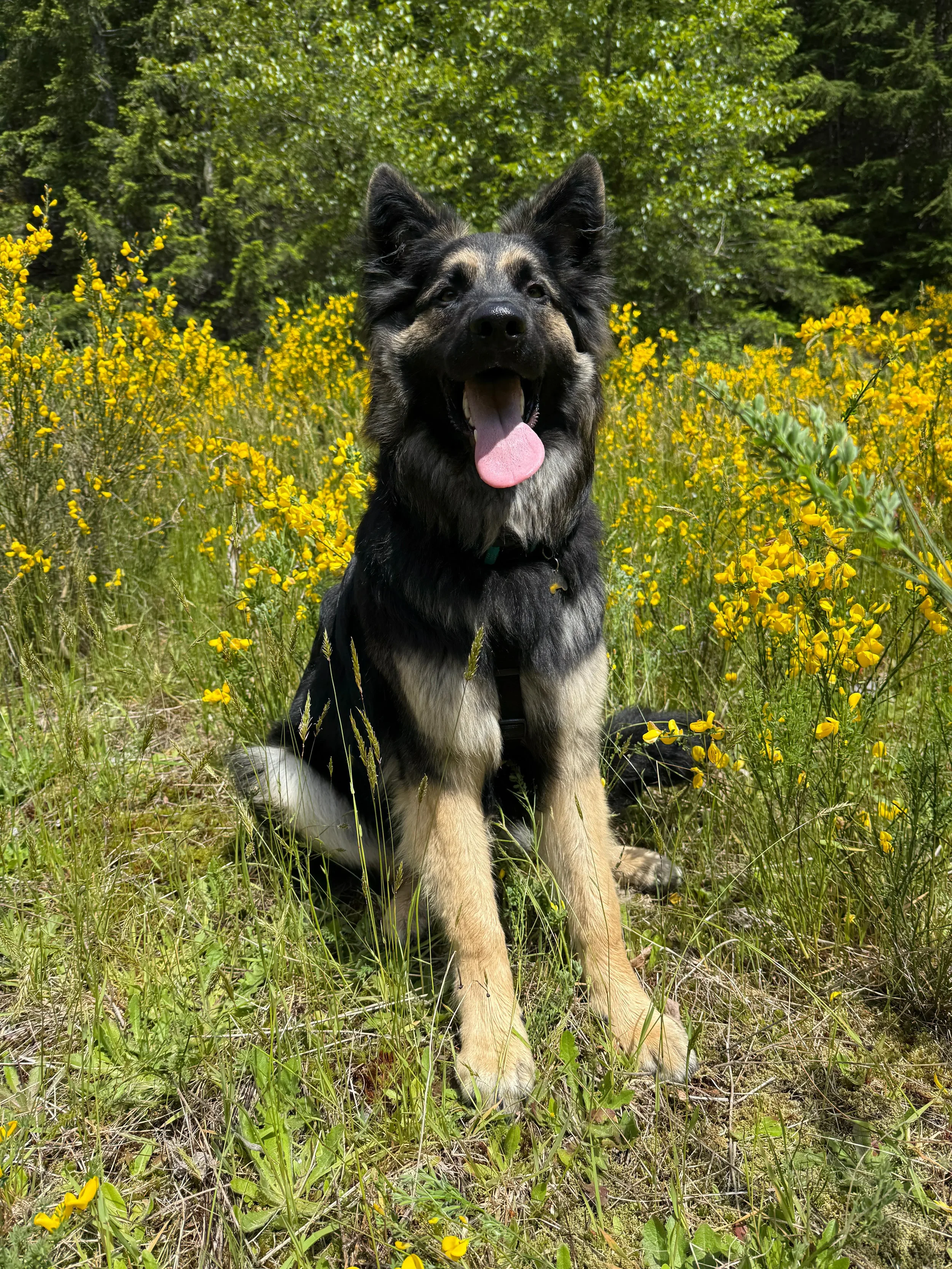
Our Approach To Dog Training for Aggressive Behavior
-
Once we have identified the source of the aggression, we must establish safety and control before working on behavior modification. This requires management to be prioritized so we can ensure that dogs are not in situations where they can rehearse aggressive behavior while we train.
To ensure proper management, we’ll always educate owners about:
Proper leash handling
Controlled environments
Clear boundaries that set both the dog and the owner up for success
We also focus heavily on predictability and consistency. Dogs thrive when they understand what is expected of them, and clear, repeatable rules reduce confusion, anxiety, and the likelihood of escalation. By establishing predictable patterns for problem-solving or redirection, this structure creates a stable environment in which better choices become the default over time.
Equally important is taking an ethical and realistic approach to each case. Not every dog, and not every situation, has the same outcome. Some cases require long-term management rather than full resolution, and in more serious situations, difficult decisions such as highly specific rehoming may be necessary. Safety for both people and dogs always comes first.
Ultimately, our goal is not a quick fix, but long-term stability, creating a structured system that supports lasting behavior change and a safer, more manageable day-to-day life.
-
At the core of all successful aggression work is the relationship between dog and owner. If a dog does not trust their handler, progress may be extremely limited. Our training focuses on building clear, fair communication so the dog understands that their handler is a beacon of guidance, safety, and comfort, not fear or unpredictability.
So rather than suppressing behavior, we prioritize understanding and redirection.
For example, some dogs are naturally driven to bite or engage; in response, proper training would prioritze providing appropriate outlets, such as structured play or controlled activities that safely fulfill those instincts. This reduces the need for the dog to act on those drives in inappropriate ways.
We also intentionally avoid methods that rely on intimidation or force. While these approaches may stop behavior in the moment, they often damage trust and increase risk over time. Dogs that are shut down without understanding can become more unpredictable, not less.
Instead, we focus on helping dogs learn how to behave through clarity, guidance, and consistent feedback.
The end result: a dog that is more confident, more stable, and better equipped to navigate challenging situations without resorting to aggression.
-
Effective training for aggression in dogs begins with enrichment. Enrichment boosts your dog’s happiness and quality of life, and it’s often the missing link in behavior training.
Our training helps you find areas where your dog needs more enrichment. We also guide you in discovering what activities your dog enjoys most, based on their temperament, breed, and needs.
True enrichment is more than just puzzle toys or gadgets. It means choosing activities that fit your dog’s natural instincts and breed traits. Here are some enrichment activities we help owners teach their dogs:
Scent detection games
Problem-solving activities
Movement-focused training games
Collaborative training with the dog’s owner
When dogs get regular enrichment, they become more balanced, mentally satisfied, and easier to train because they have healthy ways to use their energy.
-
Health, comfort, and pain management are also key parts of aggressive behavior training.
If your dog feels uncomfortable, is hurt, or is under physical stress, it can be very hard to see real progress in their behavior. Our training programs reveal to you what might cause stress or make behavior problems worse, such as:
Uncomfortable equipment
Physical stress
Unaddressed discomfort
Excessive strain
-
The first step is always determining what’s driving the behavior. Is the dog reacting out of fear? Frustration? Genetic predisposition? Learned behavior? Who or what the dog targets (other dogs, strangers, owners, or specific groups) gives us critical insight into how to approach the case safely and effectively.
Tailoring the Training to the “Why”
Different types of aggression require different strategies, for example:
Fear-based aggression is addressed by changing the dog’s emotional response through controlled, positive experiences
Frustration or excitement-based aggression is improved through impulse control and emotional regulation
Genetically reinforcing behaviors (like biting for fulfillment) are redirected into appropriate outlets and structured activities
There is no single method for aggression training. That’s why the trainers at Sit Down & Beyond tailor training and lessons around the dog in front of us.
Aggressive Behavior Dog
Training FAQs
-
Aggression in dogs can have many causes, including fear, anxiety, territorial instincts, or frustration. For instance, a dog might act aggressively if it feels threatened by a new place or person, such as when a stranger approaches the door. Another common reason is resource guarding, which happens when a dog becomes protective of its food, toys, or sleeping area. Aggression can also show up if a dog is unwell, injured, or dealing with an untreated medical issue.
Other causes of aggression in dogs are related to socialization and genetics. Dogs that have not spent much time around people or other dogs may act aggressively out of fear or confusion. For example, a dog might lunge or growl at new dogs during a walk if it was not exposed to other dogs as a puppy. A lack of proper training can also lead to misunderstandings between the dog and its owner, which can cause problem behaviors. Training and finding the root cause of aggression are important steps in managing and reducing these behaviors.
-
How long it takes to train a dog can vary. It depends on things like how severe the aggression is, the dog’s age, and how consistent the training is. Some dogs show improvement in just a few weeks, especially if their aggression is mild or only happens in certain situations, like on a leash. If the aggression is more serious, such as territorial or fear-based, it can take several months of steady training to see progress.
Training an aggressive dog takes time and patience. It is important to build trust and help the dog change how it reacts to certain situations. Consistent training, using positive reinforcement, and slowly exposing the dog to its triggers in a safe way can all help. Every dog is different, so progress will vary, but staying patient and committed can make even serious behaviors easier to manage over time.
-
A trainer can help manage and reduce aggressive behavior by using consistent training and behavior modification. An experienced trainer will figure out what triggers your dog’s aggression and show you how to respond in the right way. They will also create a plan that fits your dog’s needs and helps address the problem over time.
Training an aggressive dog means building trust, lowering fear, and teaching better behaviors in everyday situations. With the right approach, time, and patience, most dogs can improve a lot. The most important thing is to find a trainer who specializes in aggression and is dedicated to helping your dog make lasting progress.
At Sit Down & Beyond, our training programs are designed to help manage aggressive behavior. We have years of experience working with many types of behavioral issues and focus on finding long-term solutions for dogs with aggression. Our trainers use proven methods to reduce aggression, build trust, and improve your dog’s behavior. With our personalized training, we want both you and your dog to feel more confident and comfortable every day.
-
The most effective way to manage aggressive behavior in dogs is to combine behavioral training, socialization, and, in some cases, medical care. First, it’s important to find out what’s causing the aggression, such as fear, territorial instincts, pain, or frustration. After that, a skilled dog trainer can use positive reinforcement and other techniques to help your dog react more calmly to triggers.
Proper socialization with other dogs, people, and new places is also important for reducing aggression. Sometimes, medical issues like pain or hormonal imbalances can cause aggressive behavior, so it’s a good idea to check with a veterinarian to rule out any health problems.
At Sit Down & Beyond, our trainers create personalized plans to address your dog’s unique needs and aggression triggers. With years of experience, we help build trust, confidence, and calm behavior using positive, science-based training methods.
-
Early socialization and positive reinforcement training are key to preventing aggression in dogs. Try introducing your dog to new people, places, and other animals in a calm and controlled setting. This helps them build confidence and lowers the chance of fear-based aggression. Consistent training also helps your dog handle frustration and other triggers before they lead to aggressive behavior.
It’s important to find and address the root causes of aggression, like fear, territorial behavior, pain, or frustration. For example, if your dog shows signs of fear-based aggression, try exposing them to triggers in a controlled way and use positive reinforcement to help them feel safer over time. If the aggression comes from territorial behavior or resource guarding, teach your dog clear boundaries and give them enough space during stressful times. If pain or discomfort might be a factor, take your dog to the vet for regular checkups to rule out any health problems.